
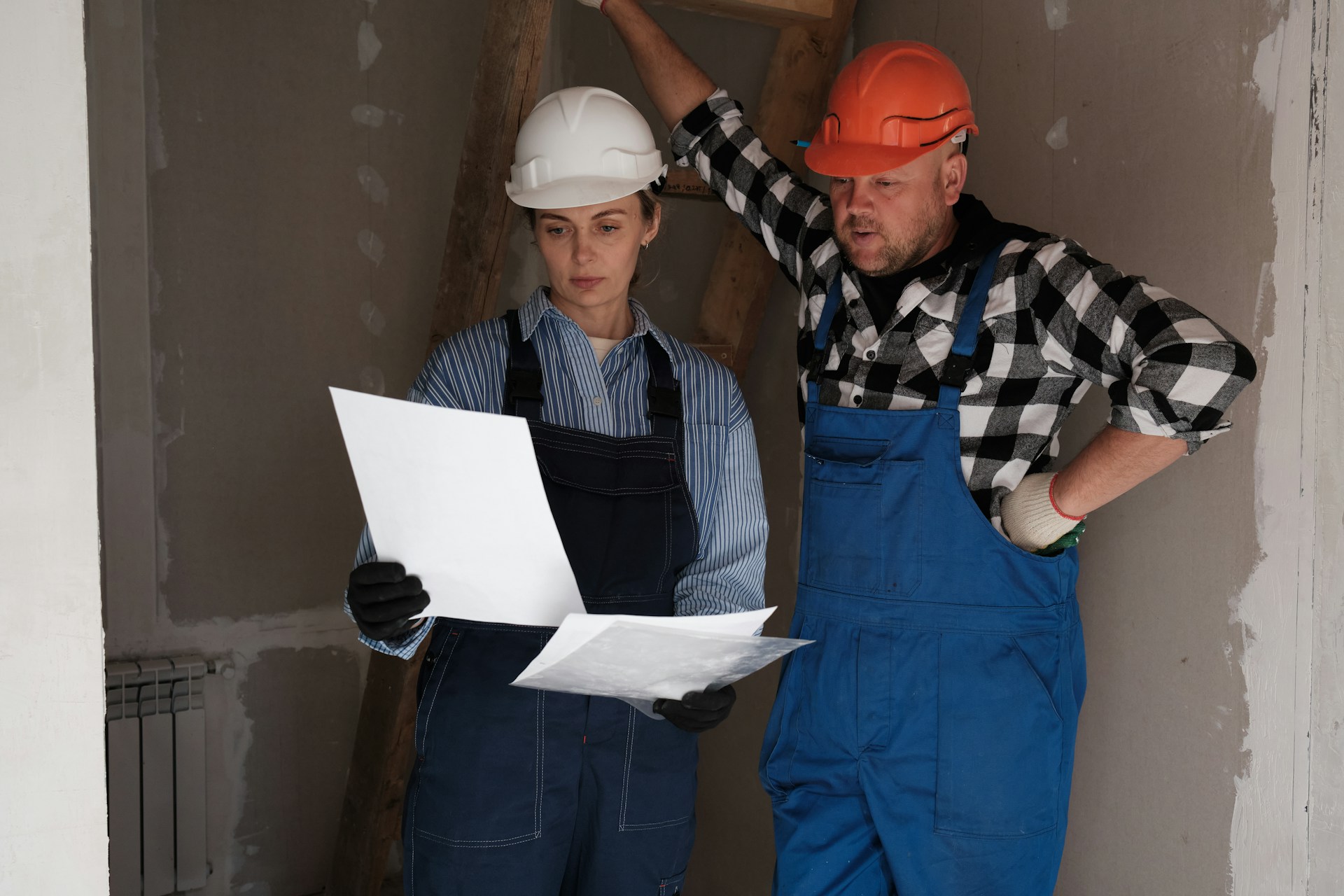
Planning a retail renovation can feel like a lot, especially when construction terms start flying around. If you are a business owner working on a storefront update or franchise build-out, you are probably hearing words you have not heard before. Without understanding what is being said, it is easy to get left out of the loop or make a call based on guesswork. Knowing the common language of retail construction in Omaha lets you stay in control and avoid mix-ups. It means you will follow the process more clearly, ask better questions, and spot problems before they grow. Here is a list of practical, everyday construction terms that we often use on retail renovation projects across Nebraska, including Omaha. We work with retail clients in Omaha, Lincoln, Grand Island, and nearby communities, so these terms show up frequently on job sites throughout the region. Construction Phases: From Demo to Turnover It helps to understand the rhythm of a construction project. Every phase plays its part: Tenant improvements are what most people think of when retrofitting a new space. These changes make a generic retail unit fit your brand, whether it is a lighting upgrade, interior walls, or installing new restrooms or floor finishes. Storefront retrofits usually focus on the front-facing portion of the building, including windows, signs, or exterior finishes. New construction and renovations are not exactly the same. New construction starts from scratch, often with fewer surprises. Renovations work within the limits of the existing shell, and that can bring hidden issues like old wiring or outdated building materials. Understanding the differences can help you time things right and avoid delays. Key Roles on a Retail Renovation Project Many people are part of a retail build, and it helps to know what each role actually does. These roles often overlap during retail construction. A good general contractor leans on trusted subcontractors to handle skilled trades, while the project manager checks progress and updates all parties. Clear communication between the construction team and business owners helps avoid surprises or change orders later. Knowing who to ask, and what to ask for, keeps your project moving forward. Building Plans and Documents Construction plans include lots of specific documents. Here is what we mean when those terms come up: Permit sets are the plans submitted to the city for approval. These ensure the renovation meets local codes and rules. As-built drawings are created after the job is completed, reflecting exactly how it was built, including any changes that came up during construction. When reviewing a proposal or scope document, look for what is covered, what is not, and who is doing which part of the job. Do not be afraid to ask if something looks unclear. Common Materials and Systems Retail renovations include materials and systems that business owners may not be familiar with. These often appear in proposals or during site visits. In retail spaces around Omaha, we often work with common build-out materials like vinyl flooring, drywall partitions, LED lighting layouts, and HVAC upgrades. Finishes include custom casework (built-in furniture), millwork (wood trim, baseboards, moldings), and storefront glazing (glass windows and doors at the entrance). Understanding these items helps you choose what matches your brand, timeline, and budget. Terms Related to Cost and Scheduling Construction planning is just as much about money and time as it is about building materials. Here are cost and schedule terms we find ourselves explaining often. Schedules often include tools like Gantt charts, a visual timeline showing expected start and end dates for each trade. Lead time is the amount of time it takes to order and receive materials. The critical path is the chain of tasks that control the overall timeline. If anything along that path gets delayed, the whole project can fall behind. Soft costs include things like design fees, permits, and inspections. Hard costs are what you pay for labor and materials on the job site. Knowing the mix helps you plan your full budget more accurately. Building Confidence with Shared Language Every retail renovation comes with its share of questions and unknowns, especially early on. When you understand the terms you are hearing, it takes away some of that stress. You get to speak the same language as the people doing the work, which makes meetings go faster, decisions feel smarter, and projects move more smoothly. Shared language makes a big difference in retail construction in Omaha. Whether you are renovating a storefront downtown or building inside a suburban shopping center, clear communication keeps everyone aligned and reduces room for error. Having these basics under your belt makes the process feel more manageable and gives you more say in what gets built. You do not have to know everything, you just need to know enough to ask the right questions. Planning a renovation or build-out can feel overwhelming, but you do not have to go through the process alone. With experience helping business owners throughout Omaha, PC Construction understands how important it is to have a clear grasp of project timelines, roles, and expectations. Our approach is client-centric, budget focused, and schedule driven, with open communication helping keep your renovation on track. Whether you are revamping a small space or managing a larger tenant improvement, having a knowledgeable partner makes every stage more manageable. To discuss your next steps in retail construction in Omaha, reach out to our team today and let us move your project forward with confidence.
Why Residential Construction Needs Project Management
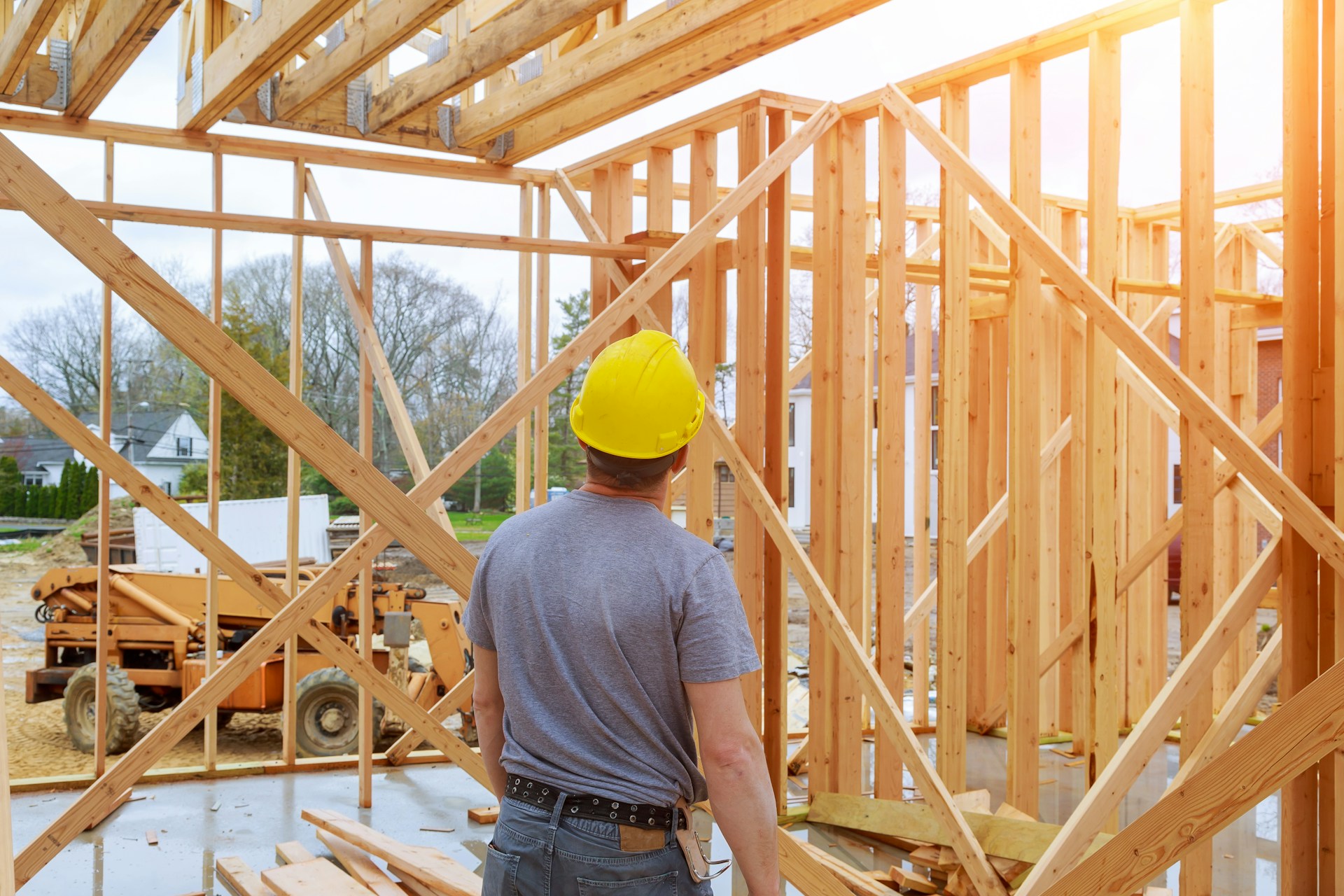
Residential construction in Omaha brings a unique set of expectations, and one of the most overlooked pieces is project management. Whether you’re renovating a small rental or building a multi-unit layout, things can go off course faster than expected if the right planning steps aren’t in place. Schedules slip. Budgets stretch. Communication gets murky. We’ve seen it often, especially when someone tries to juggle too many pieces without a clear lead. That is where good project management comes in. Spring construction kicks off in Omaha, Nebraska, just as the weather tries to bounce between freezing mornings and sunny afternoons. That mix can cause delays and frustration without the right planning and oversight. Whether you’re starting from the ground up or upgrading an older home, having someone focused on managing the whole build makes a big difference. PC Construction serves Omaha, Lincoln, Grand Island, and surrounding areas in the Midwest, providing general contracting, construction management, and design-build services for projects of all sizes. Planning That Prevents Problems A solid start can save weeks of stress later. One of the most common slips during residential construction comes from diving into a project before all the moving parts are truly sorted out. Planning is needed for more than permits and zoning. It is what keeps the entire process from falling apart halfway through. Here is where the effort often pays off: In Omaha, where some homes sit close together and others are built on older grids, construction planning needs to account for more than just square footage. Rebuilding a porch or redoing electrical after framing is already done adds cost that proper planning would have avoided. Keeping Everyone on the Same Page Communication is one of the biggest tasks on a construction site. Even small homes bring in multiple players. You often have designers, electricians, plumbers, carpenters, and a few vendors moving in and out. Without a clear system to track changes, small decisions end up missed. That is where project management brings structure. We focus on setting clear expectations upfront. When a homeowner wants to swap a cabinet layout or add recessed lighting, that request needs to go through the right channels. If it does not, crews keep building to the original drawings. Fixing that kind of mistake takes extra time and money. We have found that decision fatigue is real. Residential projects often feel more emotional, especially when the owner is living nearby. A project manager helps lighten that burden by organizing updates, offering clear timelines, and reminding everyone who is responsible for what. Our client-centric approach is budget focused and schedule driven, with open and effective communication used to anticipate complications before they slow a project down. Managing Site Activity and Timelines Spring construction in Omaha often starts while winter still lingers. Early March can bring snow one week and rain the next. That kind of unpredictable weather affects outdoor work like grading or roofing. It also affects how long materials need to cure or set. Project managers keep work moving by adjusting site activity where possible. Here is how we stay flexible: Residential projects do not run on autopilot. From deliveries showing up late to trades overlapping, we are always making adjustments to keep things moving without losing momentum. Budget Oversight and Cost Control Budget strain can hit fast, especially on longer residential builds with custom finishes. What starts as a simple change snowballs into thousands in unexpected costs. Money tracking is just as important as managing crews or materials. Project managers help keep eyes on every dollar. That includes: Good project planning does not mean saying no to changes. It means showing how a change affects the overall work so owners can make informed decisions. That balance helps keep stress down and makes sure the build does not stall from financial drift. Risk Management and Safety Oversight Working on residential lots comes with its own mix of risks. Space tends to be tighter, and homeowners may stay nearby during construction. That means job site safety and careful coordination matter even more. A project manager has to watch for things like: Even minor accidents or overlooked hazards can slow everything down or trigger bigger issues. Planning around these points helps keep things moving and keeps everyone safe. On older Omaha lots, digging too soon or missing utility checks can cause setbacks, so keeping a tight handle on prep work cannot be skipped. Better Homes, Smoother Builds Residential construction in Omaha comes with plenty of moving parts even before the work begins. Project management helps tie it all together. When plans are aligned, communication stays open, and timelines are tracked right, it removes a lot of the pressure from the build. A properly managed project will not remove every challenge, but it gives every part of the work a better chance to succeed. Whether it is staying inside budget, avoiding schedule shakeups, or handling Omaha’s spring weather, a thoughtful approach to oversight makes the process easier on everyone. Our technical expertise, exceptional customer service, and passion for building support successful outcomes across the projects we manage. Planning a project is easier with experienced oversight from start to finish, and our team at PC Construction is ready to guide the process. We focus on managing timelines, keeping budgets on track, and coordinating every trade to help make residential builds smoother and less stressful for homeowners and investors. Ready to discuss your goals for residential construction in Omaha? Contact us today.
FAQs About Design-Build Projects in Commercial Construction
Design-build is a project approach that combines both the design and construction phases under a single contract. Instead of managing separate relationships with an architect and a contractor, the owner works with one entity from start to finish. This structure encourages better collaboration from the beginning and helps keep things focused on the full picture, not just the parts. There has been growing interest in design-build services in Omaha, especially from business owners planning new commercial spaces or tenant build-outs. The efficiency of the process and the way it simplifies communication have made it a solid choice for many owners who do not want to juggle too many responsibilities at once. PC Construction offers design-build services as part of our general contracting and construction management work in Omaha, using a client-centric approach that is budget focused and schedule driven. If you are new to the concept, it is common to have questions. Here are some of the ones most frequently asked so you can move forward with clear expectations and a better understanding of whether this model fits your project. What Makes Design-Build Different from Traditional Construction? Traditional construction typically splits design and construction into different contracts. That means the owner works with an architect first, finalizes the design, then bids the project out to contractors. This can lead to delays, change orders, and blame if something goes wrong. With design-build, the architect and builder work together from the start. Everyone is on the same team, which usually means quicker answers and fewer surprises. Here are some reasons why this matters: This setup creates a unified workflow, making it much easier to finish on time and within budget. When Is a Design-Build Approach the Right Fit? Design-build is not always the perfect match for every commercial project, but it can be a strong option in several common situations. Here are some examples where this method works especially well: This approach is suitable for both smaller commercial updates and more complex medical or retail facilities. New builds or major conversions benefit from the collaborative environment, and renovations often receive smoother coordination between new and existing components. The key difference is how involved the owner wants to be. For those seeking consistency, accountability, and speed, this process often fulfills those needs. What Are the First Steps in Starting a Design-Build Project? Starting a design-build project focuses on planning rather than jumping right into demolition. The initial phase sets the tone for the entire job, so a thorough approach at the beginning is important. The first steps typically include: Preconstruction planning is where expectations and trust are established. Because the construction team is part of the process from the beginning, potential issues can be identified early, minimizing the risk of schedule or cost impacts later on. This investment at the start often leads to a smoother and less stressful project overall. How Do Design-Build Projects Stay on Budget and Timeline? A main reason Omaha businesses choose design-build is due to its reputation for predictability. When the designer and builder coordinate from the beginning, real-time updates and collaborative decision-making help manage both budget and schedule more effectively. At PC Construction, design-build teams coordinate design and construction as one integrated process, which supports faster completion and helps control costs on Omaha commercial projects. Common ways this process supports predictability include: As estimates are developed alongside the design, there is less risk of major surprises. Adjustments can be suggested early enough to prevent costly or time-consuming changes. This helps minimize change orders midway through the project and reduces the chance that construction will extend beyond expectations. What Should You Look for in a Design-Build Partner? The search for the right partner for design-build services in Omaha involves more than just reviewing a price quote or an impressive portfolio. Consider these points to determine if a team is truly the best fit for your commercial construction goals: PC Construction delivers commercial, industrial, and institutional projects, and that range of experience helps support thoughtful decisions on complex design-build work. What matters most is their ability to handle both design and construction while keeping you informed throughout the process. Seek out professionals who answer your questions clearly and take time to explain each phase. Such clarity often indicates how your project will be managed. Why More Omaha Businesses Are Choosing Smarter Builds Interest in this method continues to grow, especially in Omaha, Nebraska, where commercial construction remains steady throughout the year. Business owners are seeking faster timelines, greater control, and fewer surprises as projects move forward. Design-build offers all these advantages. It encourages responsibility and supports effective decision-making at every phase. With one group handling both design and construction, you do not spend weeks transferring plans or clarifying who handles which aspect. As construction proceeds from winter into early spring, careful planning is even more valuable. Businesses are positioning themselves for expansion, reimagining their spaces, or preparing for the months ahead. This method helps turn those plans into real outcomes, on time and with less stress. At PC Construction, we understand how important it is for your Omaha business to have a construction plan that is flexible, efficient, and works with your schedule. Our team offers experience and coordination that make the process easier from design through completed space. With our established approach to design-build services in Omaha, business owners can avoid unnecessary delays and achieve results that support their objectives. Let’s connect to discuss your goals and how we can help bring your vision to life.
Steps to Manage Large Scale Industrial Construction in Omaha
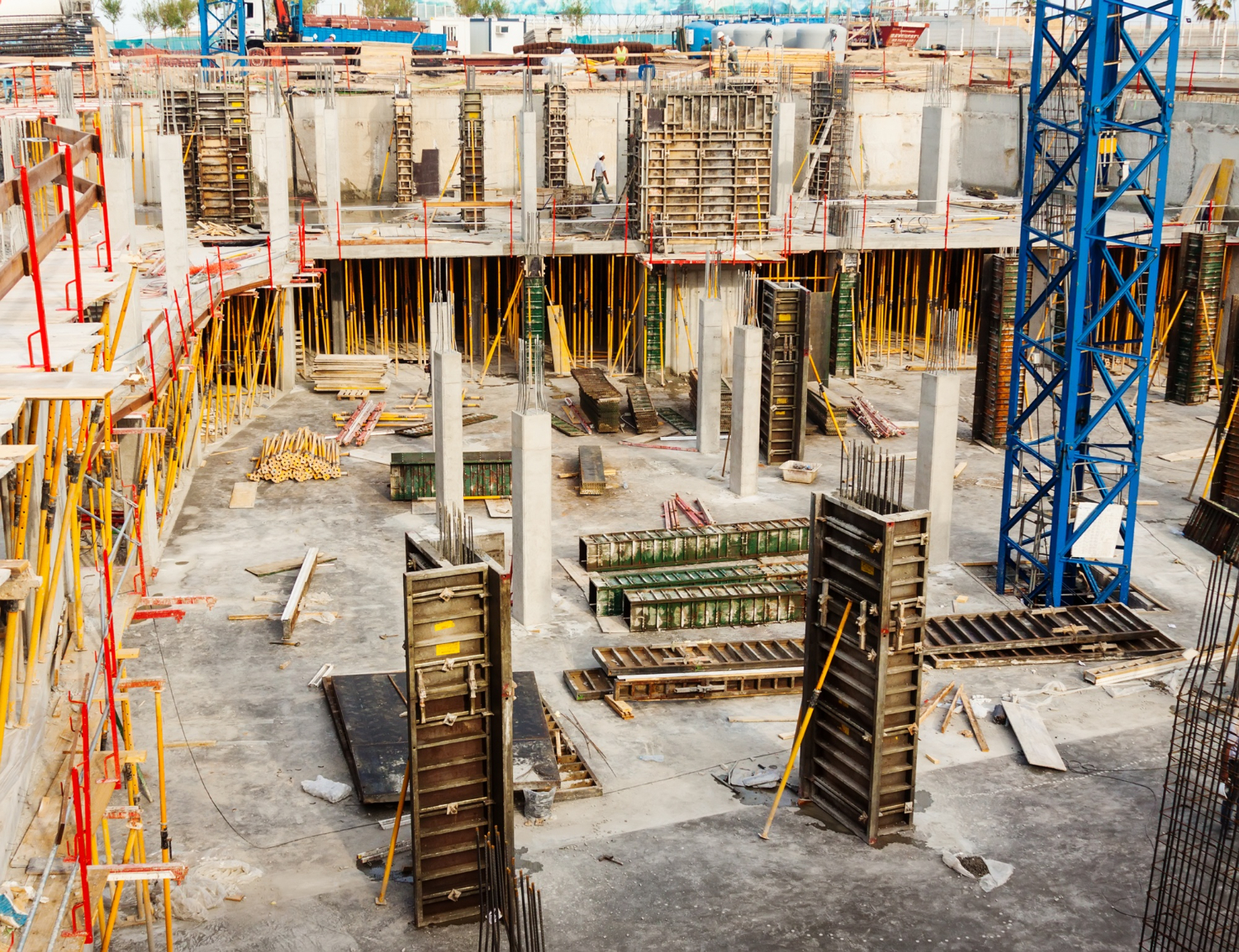
Managing large-scale industrial construction in Omaha takes more than just manpower. It starts with early planning, moves through constant coordination, and depends on flexible execution. Omaha’s winter months add another layer we cannot ignore. Cold weather, frozen ground, and storm delays can change a job’s pace in ways that feel out of our control. When the scale is big, those ripple effects grow fast. Add in aging infrastructure and multi-vendor schedules, and it is easy to see why strong project management matters. PC Construction provides general contracting, construction management, and design-build services for industrial and commercial projects, so we are involved in coordinating these moving parts every day. Here is how we break big projects into manageable phases so that industrial construction in Omaha stays on track and avoids unnecessary setbacks. We do not just react to issues, we work ahead of them. Build a Strong Preconstruction Strategy The success of any industrial build starts before dirt ever moves. Without a strong planning phase, we risk cost overruns and confusion down the line. We begin every project by clarifying what the site actually needs. That includes walking the property, reviewing access points, taking soil samples, and checking for outdated utility lines. No two sites are alike, and Omaha’s mix of older industrial zones and new growth corridors forces us to stay sharp. We serve clients in Omaha, Lincoln, Grand Island, and surrounding areas in the Midwest, giving us a clear view of how site conditions and infrastructure vary from project to project. Once the site is understood, we build the rest of the plan around it. That means checking zoning, permitting needs, and local environmental factors. From there, we define roles, timelines, and scope expectations. Everyone involved should know what they are responsible for and when their part begins. This kind of upfront planning avoids missteps and keeps goals realistic. Choose the Right Delivery Method How we organize project delivery plays a big role in how smoothly things move. The main options are design-bid-build, construction management at-risk, and design-build. For industrial jobs in Omaha, we often recommend design-build when speed is a priority. With that method, design and construction flow together under one structure, which reduces wait time between decisions and execution. Design-bid-build may work for more straightforward scopes, but it takes longer and leaves more room for miscommunication between teams. When we act as a construction manager at-risk, we help owners manage the project while absorbing some of the risk. That balances control with smoother coordination. Selecting the right approach from the start keeps both budget and communication more predictable. Our client-centric approach is budget focused and schedule driven, which supports that predictability from planning through completion. Plan for Seasonal Obstacles in Omaha By late February, Omaha is still deep in winter, and we know how that can slow construction. Freezing temperatures make it hard to pour concrete. Snow and ice can block staging areas and make deliveries harder to track. That is why we plan around it as much as possible. We build schedules that shift certain tasks indoors for winter months. When site work must continue, we use insulated blankets and staged heating to prep areas in advance. Cold-weather materials and adhesives are also part of our playbook this time of year. Planning for winter delays, instead of responding afterwards, lets us keep momentum while staying safe. Coordinate Trades and Suppliers Early Large industrial builds involve many participants: electricians, HVAC crews, plumbing teams, specialty installers, and others. On a big site, there is overlap between systems. If we do not create a clear path ahead of time, these overlaps become conflicts. To avoid that, we coordinate trades as early as possible. Here is what that process includes: • Releasing bid packages early so subcontractors can prepare • Finalizing procurement timelines to avoid material delays later • Hosting coordination meetings where we review plans together By doing this up front, we lower the risk of last-minute changes. Smoother communication now means fewer delays later. Keep the Project Moving with Clear Decision-Making No matter how well we plan, projects of this size still run into unplanned issues. Fast, clear decision-making helps keep the job moving. We define ownership of things like change orders and site adjustments as part of the project start. Everyone knows who signs off and who needs to be in the loop. We also keep things visual. Weekly reviews with updated charts show exactly where tasks stand and what is next. Gantt charts and shared dashboards help bring structure to complex builds. As long as owners, contractors, and vendors are aligned, we reduce communication problems and keep progress steady. Building Better with Fewer Delays Each step connects to the next. If we plan well before construction begins, we avoid scrambling halfway through. If communication lines stay open across every role, delays do not grow into bigger issues. When we treat Omaha’s seasonal challenges as a planning item, not an excuse, we build smarter and safer. Industrial construction in Omaha has its own pace. Weather planning, delivery systems, and trade overlap all add specific local factors. When every moving piece is managed thoughtfully, even large projects come together with confidence. That is the approach we use so our work does not just start strong, it finishes strong too. Adding further clarity to our process, every phase of our project is approached with careful attention to detail and a commitment to proactive collaboration. We continually refine our scheduling techniques and coordination practices to ensure that each step of the construction journey is optimized for success. This extra measure of diligence ensures that the challenges posed by unpredictable weather or complex site conditions are managed effectively. By integrating additional planning checkpoints and comprehensive reviews, we maintain a steady workflow that supports both quality and efficiency. This approach has consistently contributed to our ability to meet deadlines and deliver projects that stand as a testament to our expertise in industrial construction. At PC Construction, we take pride in helping
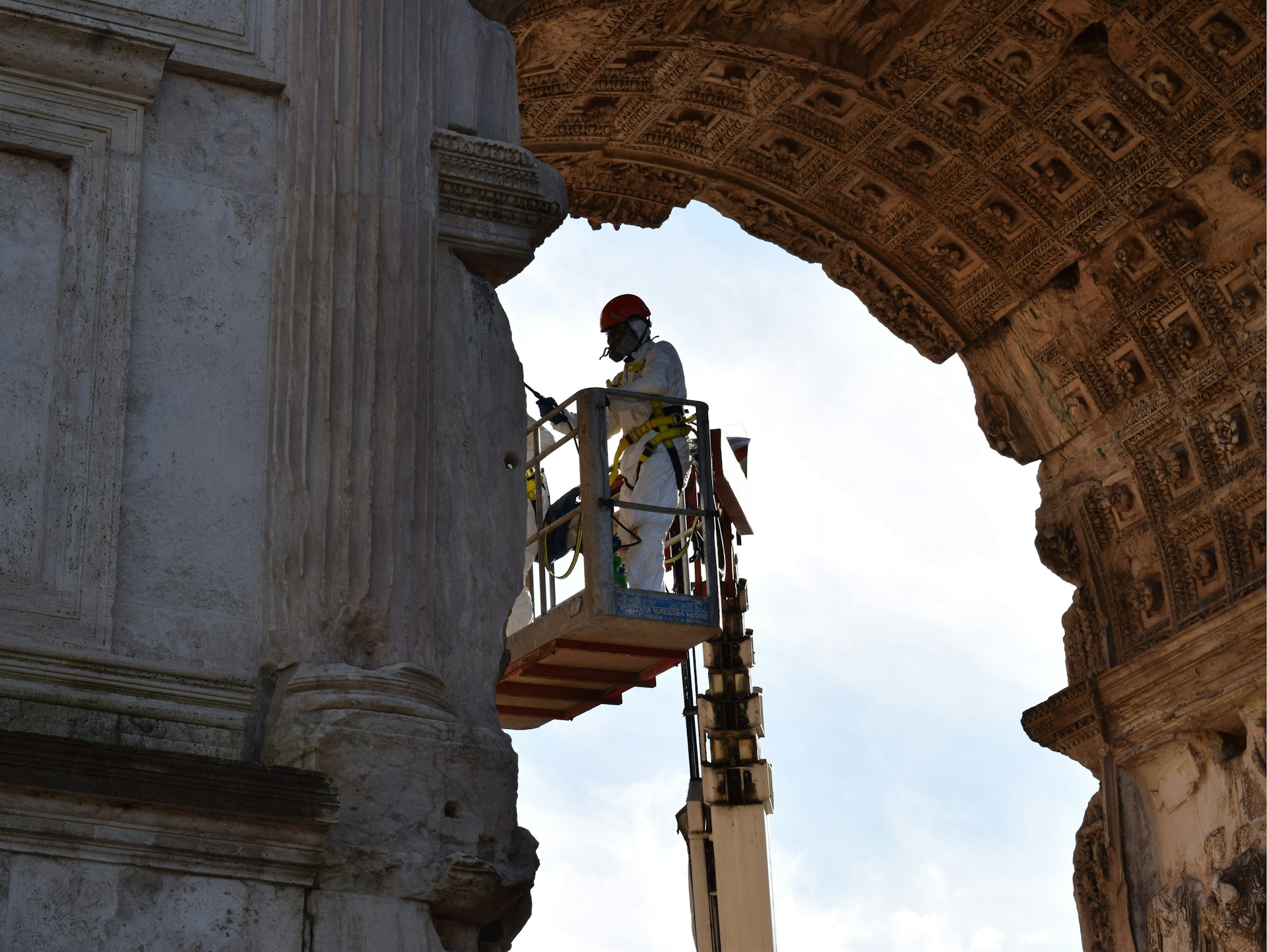
7 Issues to Avoid in Historical Building Restoration Projects
Restoring an old building can be rewarding, but it rarely comes without complications. From hidden structural damage to outdated systems, older properties often require a closer look before restoration work begins. When we take on historical building restoration in Omaha, the path is rarely simple. Weather, original materials, and code requirements all add layers to the process. To help you stay on track, we’ve laid out seven common setbacks we’ve seen repeat themselves in historical renovation projects. With the right planning, most of these can be avoided before they cause delays or drive up costs. We provide general contracting, construction management, and design-build services for projects of all sizes in and around Omaha, which gives us a front-row view of how these issues show up in real restoration work. Ignoring Existing Structural Damage Many historic buildings look sturdy from the outside, but once work begins, issues below the surface often come up. Cracks in the foundation, aging roof structures, or sinking floor systems can all create major delays if discovered mid-project. In Omaha, winter weather plays a part too. Freeze and thaw cycles place added stress on buildings, especially if old masonry or structural wood has already weakened. Water sitting in cracks freezes in winter, expands, and worsens the damage. We always recommend having a qualified structural evaluation completed as part of preconstruction. It’s easier and less costly to manage repairs before crews are onsite doing cosmetic upgrades. Our historic renovation assessments focus on the foundation, walls, roof, and key architectural features so that structural concerns are identified and addressed early. Overlooking Code and Preservation Requirements Restoring a historically designated building isn’t just about choosing the right paint colors or wood trim. Local and federal regulations often determine what can and can’t be changed. In some areas of Omaha, certain buildings fall under city preservation ordinances, which impact everything from the type of windows used to how rooflines are altered. Without a clear understanding of these requirements, you’ll risk project shutdowns or having to redo work to meet preservation rules. Before beginning design, it’s smart to research the building’s protected status. This makes it easier to develop a plan that meets both your goals and ordinance requirements. It also saves time when it comes to permits and plan reviews. Using Incompatible Modern Materials It’s tempting to use newer, more available materials as replacements for old features. But not all modern materials play nicely with historical ones. Common problems include sealants that trap moisture, insulation that prevents proper airflow, or paint that causes historical wood to rot. In winter restorations, certain materials like quick-set concrete or spray foams don’t always perform well in low temperatures or on old surfaces. Here are a few things to consider when choosing materials: • Match the material type and installation method if possible • Be cautious about new adhesives or coatings over old stone or wood • Use breathable finishes that allow moisture escape to prevent long-term damage Choosing the right combination means the history stays intact and the building performs the way it should both inside and out. Failing to Plan Around Winter Weather Winter can slow down construction in any city, but in Omaha, unpredictable temperature swings and snowstorms can completely halt restoration work. Old buildings already lack insulation or modern systems, and if openings are created for repairs, you’re exposing delicate areas to the cold. Outdoor projects like masonry repair, roofing, or site access improvements may need warmer conditions to be successful. Curing times for concrete, adhesives, and specialty coatings are all affected by low humidity and freezing temperatures. If you’re scheduling historical restoration between December and early March, it pays to build in extra time for delays. Consider how utilities will be kept running, what tasks can be shifted indoors, and whether temporary heating or enclosures may be needed. Skipping Utility Updates and System Upgrades Older buildings often come with out-of-date plumbing, wiring, and HVAC setups. Many times, these are intertwined with the structure in ways that aren’t obvious until demolition begins. Leaving these systems untouched might seem like a shortcut, but old systems often can’t meet the needs of modern use or fail local safety codes. This is more than just a comfort issue. Outdated utilities can impact occupancy approval, increase insurance premiums, or lead to costly rework later on. Even if systems look fine during early walks, assume they’ll need upgrades unless recently brought up to code. Investing in systems that support energy efficiency or improved controls will save frustration down the road. Poor Documentation of Original Design When demo begins in an old building, some owners are surprised by what was hiding behind walls or under flooring. That hidden woodwork or brick often adds character, but it can’t be put back together if no one documented it first. Ripping out original materials too quickly or without review can erase features needed for historical accuracy. It also makes it harder to match materials if you plan to replicate design elements later. Here’s what we recommend before teardown begins: • Photograph all surfaces, finishes, and fixtures • Note measurements and materials for each space • Save samples of hardware, siding, or trim to guide replication These steps don’t take much time, but they help preserve detail and avoid regrets once restoration is underway. Restoring with More Confidence and Fewer Surprises Historical building restoration in Omaha isn’t something to rush through. Each one of these issues has the potential to cause long delays, cost spikes, or permanent damage to the building’s character. By approaching structural, system, and seasonal challenges early, you give your project a better chance of staying on schedule and true to the building’s design. Advanced planning doesn’t just help you meet deadlines. It lets the building’s original story keep shining through. Careful planning, structural insight, and the right materials are important to keeping your restoration project on track, especially during the colder months. With our experience in historical building restoration in Omaha, we’re committed to helping you
