
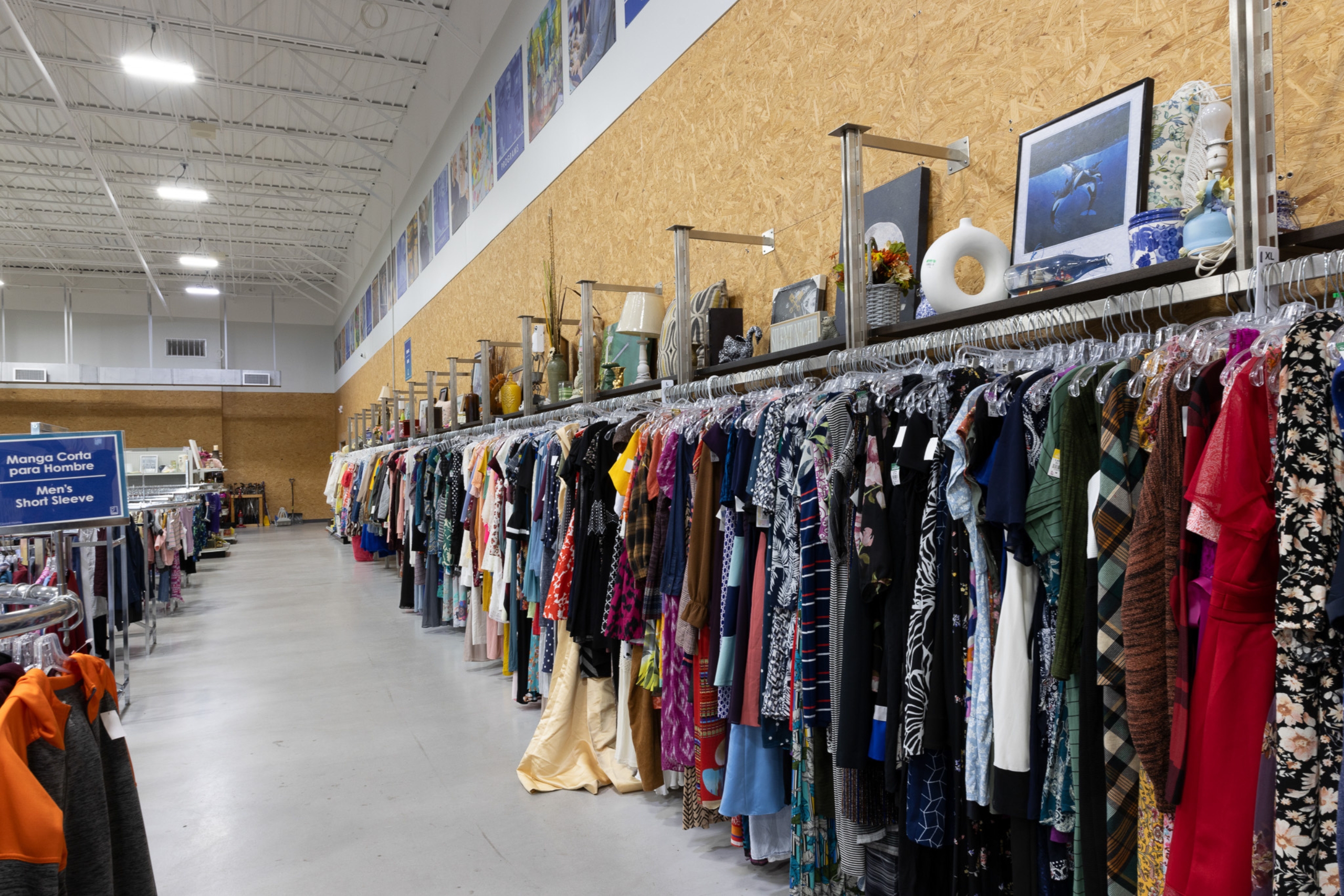
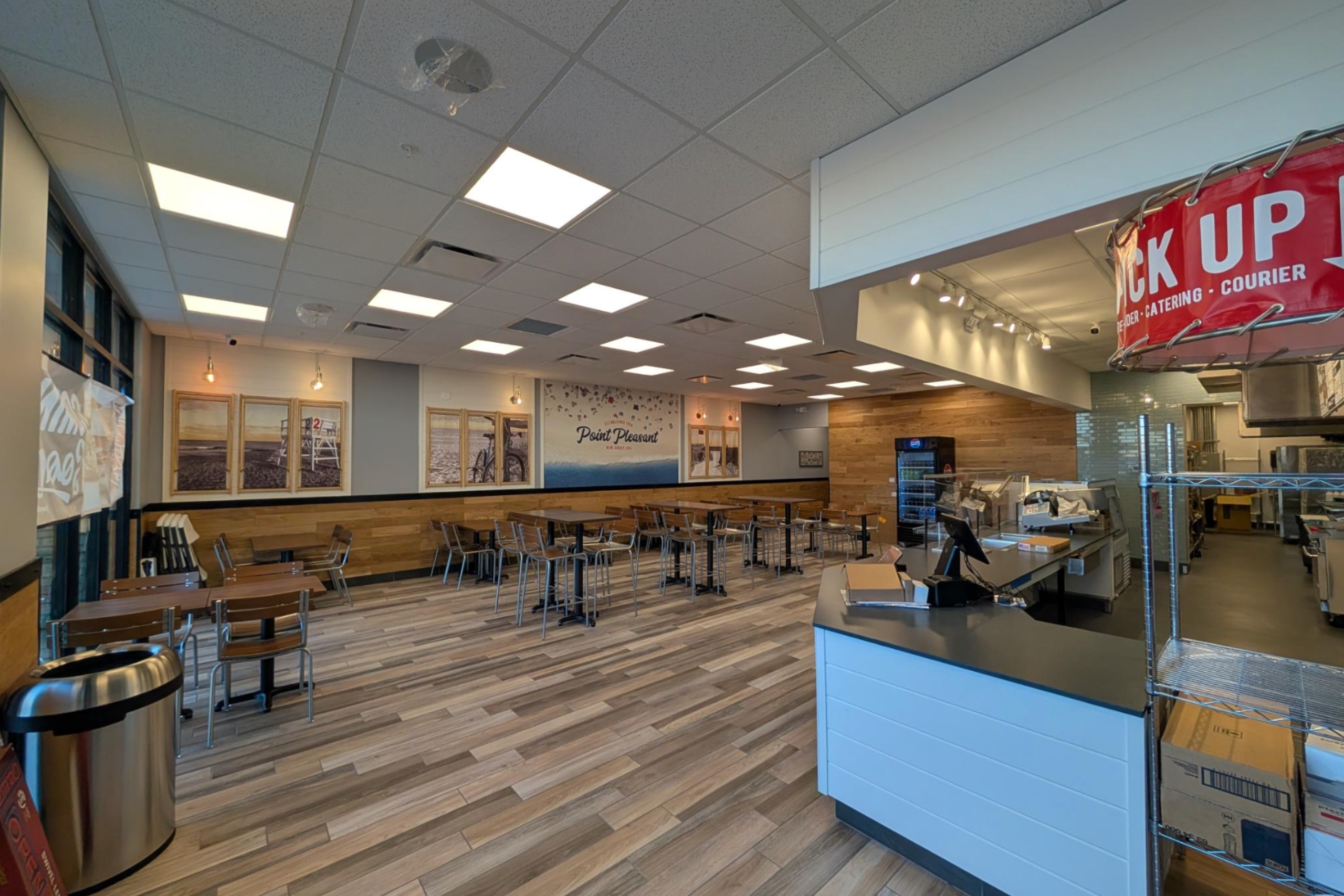
Getting a retail buildout off to the right start means putting time into planning before construction begins. That planning phase, often called preconstruction, lays the groundwork for nearly every part of the build. It’s when goals begin to turn into actual steps, drawings become plans, and budgets begin to take shape. Preconstruction planning in Omaha is especially important during colder months, when short daylight hours and winter weather can impact timelines and materials access. The earlier this process kicks off, the more prepared everyone will be to break ground without surprises. By looking closely at layout needs, utility connections, local codes, and vendor scheduling, we can shape a project that stays on track and avoids delays. PC Construction’s preconstruction planning support in Omaha includes helping business owners set clear objectives, plan realistic budgets, choose the right team, and address regulatory requirements in these early stages. Skipping the planning often leads to higher costs and rushed decisions later on. Careful preconstruction helps design smarter retail spaces, reduce timeline risks, and catch issues before they grow into expensive problems. The Role of Site Evaluation and Permits Every Omaha lot comes with its own set of factors that influence how a retail project can move forward. Some spaces may look simple on the surface but can hide zoning restrictions, underground utility tie-ins, or drainage issues that throw off a schedule. Before any construction begins, it’s important to get a full picture of the property. This usually starts with reviewing: • Utility access for water, gas, and electricity • Sewer lines and stormwater drainage • Zoning requirements for retail-specific use • Setback limits and parking minimums Permitting can add more time than many expect, especially in cities like Omaha where weather may shorten optimal construction periods. Winter often slows down inspection schedules, and spring project backlogs can make approvals take longer. By locking in these elements early, we can stay in front of delays and keep the full project on schedule. Budgeting and Vendor Coordination Money conversations early on can save stress months down the line. Planning ahead lets us build a cost structure that holds up during the full build. Our client-centric, budget focused, schedule driven approach keeps these cost discussions aligned with overall project goals from the beginning. Materials can fluctuate in pricing based on availability, season, or even shipping conditions, particularly at the end of winter in Omaha when roads, supply chains, and weather all play a role. We use the preconstruction phase to pin down pricing estimates and then factor in lead times for key items. Coordinating with vendors at this stage lets us confirm schedules and know when big items like storefront glazing or HVAC units will actually arrive. Here’s what we focus on early: • Confirm construction timelines aligned with vendor schedules • Choose materials that will be available during the winter months • Identify backup sources for time-sensitive deliveries • Map contractor schedules around cold-weather delays Building a reliable cost plan helps clients track investment details, and it also keeps everyone accountable for the scope and schedule. Planning Layouts With Foot Traffic and Flexibility in Mind A retail build is more than four walls and a checkout counter. How the space feels, flows, and adapts over time matters just as much as the floor finish or ceiling height. Good layouts start with understanding how customers will move through the space. During preconstruction, we look at sight lines from the entrance, how merchandise displays will be positioned, and where bottlenecks could slow down foot traffic. We also factor in the space behind the scenes, storage, cleaning access, and staff flow all need to work with the front of house. Flexibility plays a big role too. Many retail clients want room to change with the seasons or expand later. Here are a few things that help: • Open floor designs that allow display shifts • Modular walls that support minor reconfigurations • Easily upgradable lighting or electrical for new displays Planning for future use during construction saves time and money later when those changes actually happen. Utility Connections, Delivery Areas, and Back-of-House Spaces Behind every well-lit storefront are the systems that keep it running. Electrical, plumbing, and HVAC connections can’t just be designed last minute. During winter in Omaha, frozen ground or icy access paths can make trenching or repairs more difficult and costly. That’s why it’s smart to map these areas early and design access that works year-round. We make sure the layout connects smoothly from front to back, considering spaces for trash, cleaning, and supply deliveries. Whether it’s a franchise location or a boutique retailer, these quiet zones need just as much attention as public-facing areas. Preplanning this infrastructure includes: • Locating HVAC units for easy service • Grouping plumbing fixtures to share supply lines • Building out back entrances for vendor access • Positioning panels and system wiring where they stay inaccessible to the public, but easy to reach for repairs Taking time early to sort out systems and service zones gives the whole project more staying power. Timing the Construction Phase Around Winter Weather Construction in Omaha during February comes with a few extra hurdles. Equipment takes longer to prep, concrete needs careful heating, and ice can shut down sites for days at a time. Short daylight hours shrink active work windows too. That’s where preconstruction efforts pay off most. We can sequence the work so indoor tasks like framing or drywall happen when the roads aren’t safe for deliveries. Or we wait to pour exterior slabs until we’re past freeze, thaw conditions. Ways to work around winter risks include: • Completing outdoor tasks before deep winter hits • Starting jobs with interior demo or framing work • Using protective covers or heated materials where possible • Padding schedules with extra time for weather-related pauses Even a few thoughtful schedule adjustments can keep retail projects from falling behind before spring. Building Retail Projects That Run Smooth From Day One Retail buildouts come together best
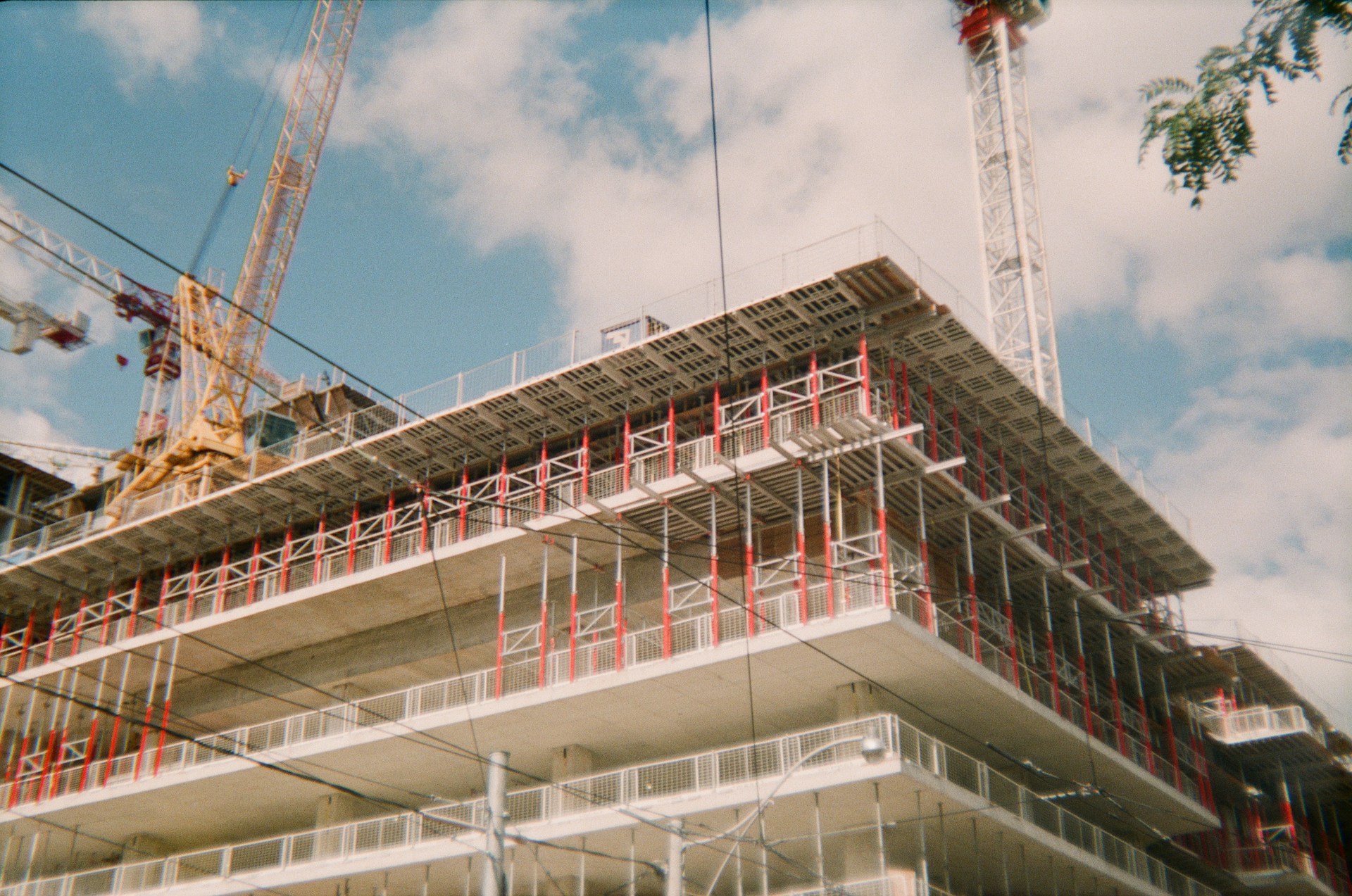
How to Plan a Healthcare Construction Project in Omaha
Planning healthcare construction in Omaha takes more than just basic building experience. Between stricter code enforcement, unpredictable weather, and the need to protect patients during all phases of the work, there’s no room to guess your way through the process. From hospitals to clinics, every healthcare space has unique demands that set it apart from other commercial builds. We bring specialized healthcare construction experience in Omaha, helping owners create spaces that are safe, efficient, and aligned with current standards. Getting your project off the ground with early coordination helps avoid missteps down the line. When everyone shares the same plan before the first crew shows up on site, it reduces surprises and helps keep the schedule on track. That’s especially important for healthcare construction in Omaha, where local climate and occupancy rules shape everything. Understand Healthcare Facility Needs and Codes Healthcare spaces have very specific layout rules for a reason. Safety, comfort, and infection control are built into how a medical space functions. That starts with designing for how people and equipment move through the space. Some layout decisions aren’t just preferences, they’re required. Here are a few areas that need to be considered from day one: • Patient flow needs to avoid crossing paths between clean and possibly contaminated zones • Emergency access has to stay clear and support quick movement • All systems need to meet ADA requirements for accessibility • Mechanical and plumbing work must support infection control and air purification • Construction design often follows guidance from the NIH and other healthcare authorities Nebraska adds its own layer of regulations for healthcare spaces. Local fire marshals, health departments, and building permitting agencies all have input. Missing steps with those agencies can lead to rejected plans or delayed approvals, which slow everything down. Prioritize Preconstruction Planning and Budget Control Many delays and cost increases can be traced back to poor planning before construction ever starts. Healthcare jobs have added layers of review and tighter limits on downtime, so time matters. Getting everyone involved early (engineers, architects, and contractors together) helps avoid revisions later. Our team delivers these projects through general contracting, construction management, and design-build services, so early collaboration is built into the way we work. Designing with the build in mind saves time and money. That includes: • Mapping out construction phases that won’t interfere with medical operations • Making sure utility upgrades are scheduled in the right order • Coordinating long-lead materials so nothing holds up installation • Planning workforce schedules around specialty labor or certified installers Cost control gets easier when everyone’s working from the same plan. Early coordination makes it possible to flag cost risks or design conflicts before they turn into change orders. That keeps the budget intact and the schedule stable. Design for Flexibility and Future Growth Healthcare facilities change over time. Medical technology evolves, patient needs shift, and treatment models adjust. That’s why designing flexible and adaptable space makes the most sense. A few simple design choices can support years of upgrades without knocking down walls or rerouting utilities every time: • Choose modular or semi-modular layouts for exam and treatment rooms • Leave room for unexpected equipment or wiring needs later • Use moveable partitions or flexible furniture plans where it makes sense • Keep structural plans loose for non-load-bearing walls to simplify rework Infrastructure planning matters too. If there’s a chance an urgent care will add imaging, or an outpatient clinic may expand upstairs, build the skeleton of that now. Leaving space in mechanical rooms, ducts, or corridors often costs less upfront than major upgrades later. Build with Omaha’s Climate and Patients in Mind The weather in Omaha adds another layer of complexity, especially as winter ends and spring arrives quickly. Cold snaps can linger, followed by storms, wind, and heat in quick cycles. For medical facilities, climate concerns go beyond comfort. To keep both builders and patients safe and comfortable, we think about: • Higher-grade insulation to manage energy use year-round • HVAC systems that regulate airflow by zone, not just temperature • Indoor air quality systems that filter pathogens and allergens • Sound-dampening infrastructure to cut down on noise from outside or between rooms A balanced indoor environment helps patients heal and staff focus. Poor air or sound environments can affect outcomes. Since most healthcare buildings operate long hours or around the clock, every system choice has long-term stakes. Keep Construction Phases Clean and Efficient Many Omaha projects don’t begin with a vacant site or building. Instead, construction often takes place inside active spaces, near patient areas, or next door to ongoing care. That makes how a project is built just as important as what is built. Some common approaches to keep medical jobs clean and on track include: • Using physical barriers to block off work zones and control dust • Installing temporary air filters or negative air machines during demo • Cleaning zones daily so nothing drifts into patient care areas • Shifting noisy or heavy work to low-traffic hours during early mornings or evenings • Staging materials offsite to limit congestion or deliveries during peak times General noise, traffic, and smells can affect patients and care teams. Having experienced crews with training in sensitive environments makes a big difference. Healthcare jobs need extra planning in both layout and daily workflows to avoid setbacks. Planning for Healthcare Projects That Last in Omaha Getting a healthcare build right takes more than meeting building codes. It calls for a clear understanding of what patients need, how medical teams work, and how Omaha’s seasons impact every decision. When we start by planning for flexibility, comfort, utility coordination, and code compliance, we’re not just checking boxes. We’re building a space that works now and many years from now. We follow a client-centric approach that is budget focused and schedule driven, which supports the added coordination that healthcare construction in Omaha often requires. No matter the size of the project, clinic renovation or major expansion, investing energy upfront
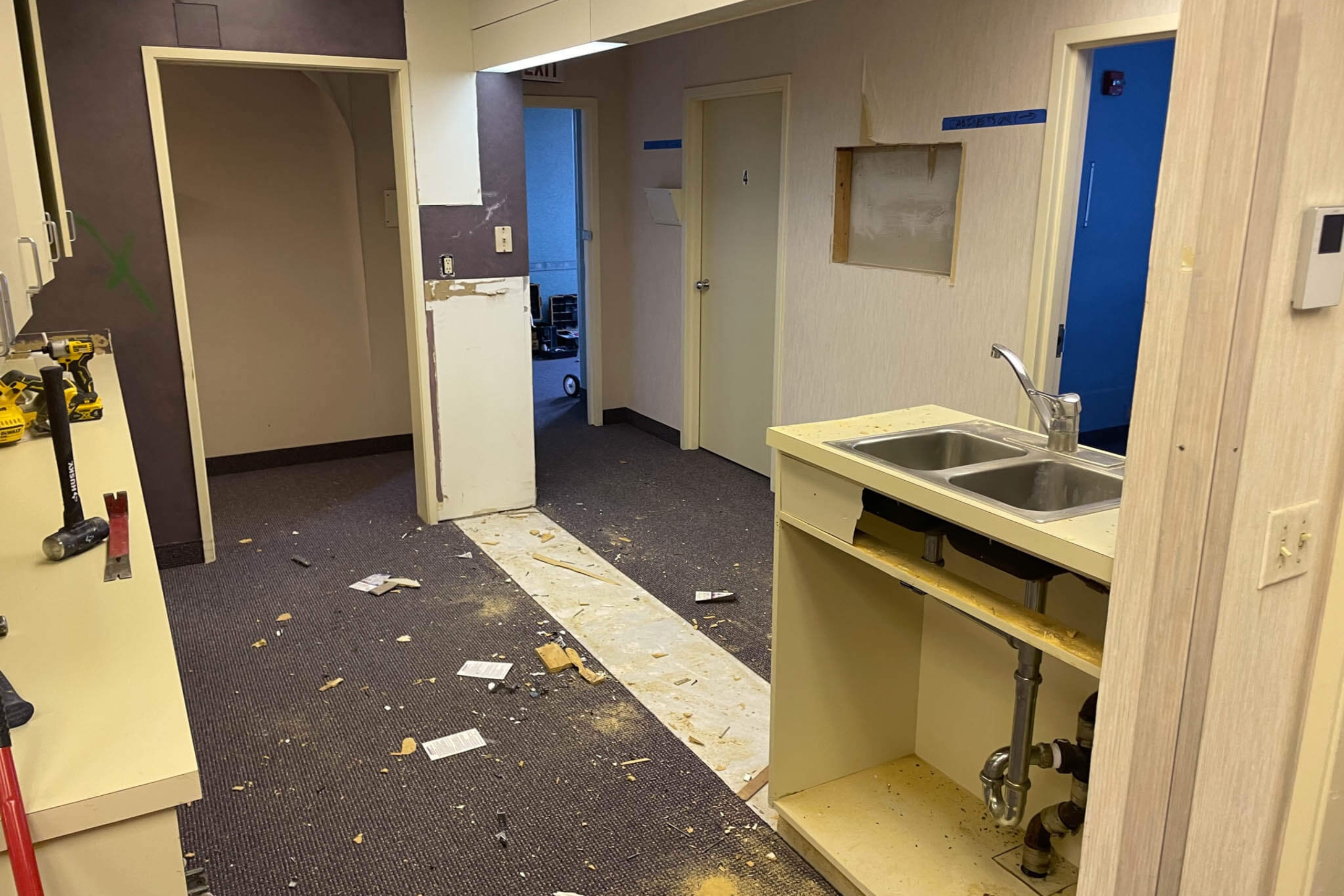
What Delays Tenant Improvement Projects in Omaha?
Tenant improvement in Omaha can be a smart way for businesses to customize their space, but delays often sneak up and throw off everything from move-in dates to operational goals. This is especially true during winter, when weather conditions and tighter timelines add pressure to projects already full of moving parts. Whether you’re planning a retail buildout, a franchise fit-out, or converting a space for medical or office use, there are a lot of moving pieces that need to fall into place and stay on track. Before any actual construction begins, understanding what typically causes slowdowns can make all the difference. From initial planning gaps to problems on the job site, we’re laying out the common reasons tenant improvement projects get delayed in Omaha and how to steer clear of them. We provide general contracting, construction management, and design-build services for projects of all sizes in Omaha, so we see many of the same delay patterns repeat across tenant improvement work. Poor Preconstruction Planning Slows Everything Down Getting off on the wrong foot during early planning can cost a project weeks, sometimes more. Winter in Omaha adds its own challenges, making a shaky start especially risky. A few things that go wrong often include: Even just one of these issues early in the process can snowball. That’s why preconstruction planning that looks at timing, permits, design, budgeting, and coordination upfront can save time later. In Omaha, it’s especially smart to build in extra room to plan around the seasonal curve. We offer design-build services in Omaha, bringing design and construction together under one team to help keep tenant improvement projects aligned from the earliest planning stages. Weather Impacts Are Easy to Underestimate Winter is always a wild card. While much of the interior work might seem insulated from the weather, outdoor access, site prep, and material handling all take a hit. Here’s where we typically see the most trouble: Some delays just can’t be avoided when the weather interrupts progress. But building extra flexibility into the schedule and knowing how winter affects workflows allows better decision-making when those curveballs come. Change Orders That Throw Off the Schedule The more decisions that get made up front, the fewer changes have to be made in the middle of the job. Unfortunately, a lot of tenant improvements get hit with schedule delays when the scope moves around late in the process. Some common issues include: Sometimes changes are necessary, especially when unexpected site conditions or building constraints come up. But the more a buildout is mapped and locked down from the beginning, the less time is wasted rewriting plans on the fly. Coordination Gaps Between Trades or Teams Tenant improvements often require tight coordination because they take place in existing spaces and sometimes within active buildings. Without consistent communication between crews, issues can pop up fast. Problems we’ve seen that can lead to slowdowns include: We follow a client-centric approach that is budget focused and schedule driven, and we put a strong emphasis on open, effective communication to keep owners, design partners, and subcontractors aligned. The more complex the space or tighter the deadline, the more every trade needs to know what’s happening before, during, and after their work. Retail conversions, franchise tenant improvements, and fast-track office buildouts are especially vulnerable to this kind of slowdown. Clear the Roadblocks Before They Start Once a project starts, it’s tough to make up for lost time. The best way to keep tenant improvement in Omaha on schedule is by front-loading your planning, talking through every piece of the build, and lining up reliable coordination from the start. Winter only increases the importance of being prepared. When business owners understand what causes delays, and take steps upfront to limit or avoid them, projects move with less stress and more results. Whether you’re opening a new branch, converting a space for medical use, or customizing retail interiors, avoiding these common issues helps you get to opening day faster and without surprise hold-ups. Taking on a commercial renovation can be complex, but early planning, flexibility during winter, and addressing design changes before construction begins make all the difference. For your upcoming project involving tenant improvement in Omaha, we can help ensure a smooth build right from day one. We are ready to support your timeline and make sure every detail is handled. Let’s discuss how we can help you move forward.
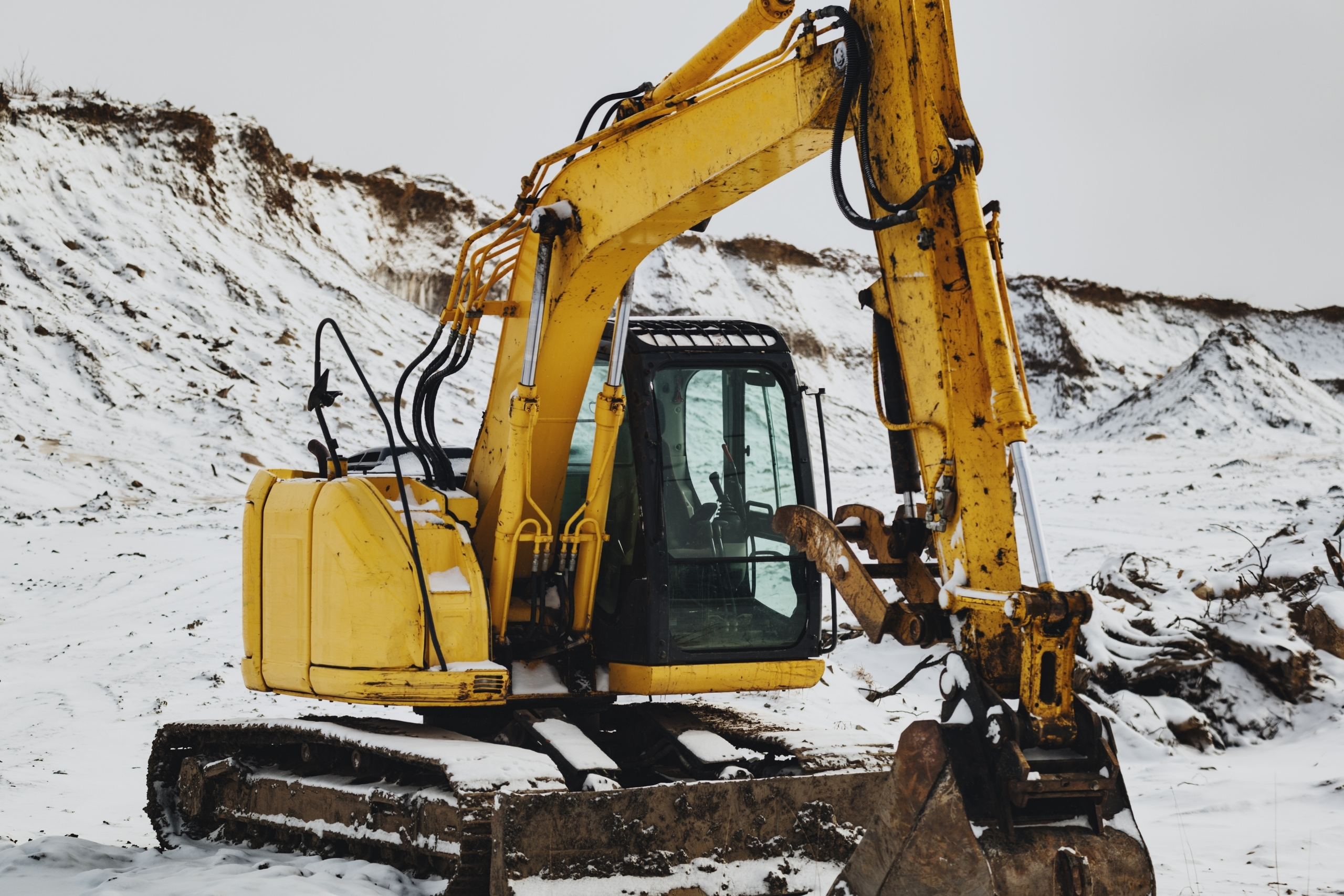
How to Navigate Commercial Construction in Omaha
Commercial construction in Omaha requires more than the usual planning. Seasonal changes, local zoning, and city-specific permit requirements all have an impact. Whether you’re starting a project in the middle of January or planning for spring, there are clear steps that help keep things on track. From freezing temperatures to timing challenges with suppliers, we’ve worked through it all across the city. If you’re thinking about starting commercial construction in Omaha, knowing how to prepare through each phase of the year will make a big difference. Understand Omaha’s Construction Climate Omaha winters are long and cold, and they affect construction sites in obvious and hidden ways. Frozen ground isn’t just hard to dig through. It can damage equipment, slow trenching, and impact foundation work. When snow or freezing rain hits, crews may have limited access for safety reasons. These issues don’t just affect the site itself. They hit permits, deliveries, and overall schedules too. Some inspections take longer if roads get slick or offices work on reduced winter staffing. Labor availability might drop if daytime temperatures are unsafe. When we build out a winter project, we account for all of this early on. We give ourselves extra days in the schedule and work with suppliers and subcontractors who can handle sudden changes. A strong winter plan does not just solve problems, it helps get ahead of them. Know the Local Codes and Approval Process Every city has its own rules. Omaha has a few that anyone working on a commercial project needs to know. Local zoning laws can limit building height, restrict where parking lots can go, or require stormwater plans before layout begins. Building permits for additions, demolitions, or large remodels need to be cleared before starting footings or pouring slabs. This matters more in cold months. The approval process does not always move quickly, especially around holidays. We try to file as early as possible and plan work that can move ahead while waiting for full sign-off. Being proactive with city offices gives us more room to make changes without slowing the whole project. Choosing the Right Delivery Method for Your Project Every project has different needs, and how it’s delivered can shape the whole outcome. Some jobs need the fast coordination of design-build. Others benefit more from hiring a general contractor after the design is set. Construction management adds a layer of planning and budget control early in the process. PC Construction offers all three delivery options, giving Omaha clients access to a customized approach that fits their budget, timeline, and complexity. With a proven history working in both private and public sectors, we understand how to adjust method and timing to protect your investment year-round. Location and season matter here too. In Omaha winters, we often use delivery methods that allow flexibility. If a snowstorm pauses site work, we shift coordination without stopping progress. Projects with tight timelines tend to need more coordination between design and build phases. The right delivery method is not just about price, it is about agility and how well it fits the job size and season. Managing Your Budget with Omaha Variables in Mind Costs in winter aren’t always predictable. Extra cold requires more heating equipment, like ground blankets and temporary enclosures. Crews might work shorter shifts to stay safe, and that may add extra days to the schedule. Material delivery delays can add storage fees or require more creative scheduling. We don’t just list these things in a budget. We plan for them. Adding contingency funds and recovery days into the initial schedule keeps things flexible. We also try to sync with suppliers who are used to winter challenges, so we can take delivery right when we need it. That helps prevent stacking materials onsite where they might be exposed. As part of our construction management, value engineering is available to help clients get the most use and quality for every dollar, especially helpful when cost variables increase in extreme weather. Keep Communication Clear Through Every Phase Good communication keeps projects moving, especially during unpredictable weather. When everyone involved knows the plan and the backup plan, it gets easier to react without losing time. In Omaha during winter, site access can change fast. Having all parties aligned before things happen helps us work around blocks instead of hitting walls. We use scheduled coordination meetings to keep decisions moving, no matter what the weather does. Even one missed call can slow down permits or delay shipments. That’s why planning the work is only half the job, talking through each step keeps it all running. Moving Forward in Omaha’s Commercial Construction Season Commercial construction isn’t just about design and materials. It’s about timing, teamwork, and real-world experience in the city you’re building in. PC Construction brings local knowledge of weather patterns, city inspections, and regional supplier networks to every Omaha job, making sure your timeline and budget stay resilient in unpredictable Midwest conditions. Planning around weather, permits, and the right construction approach is key to making your project successful in Omaha. We invest the time to build plans suited for local conditions and collaborate closely with every partner on site. Whether you have scheduling concerns, budget questions, or feel ready to get started with commercial construction in Omaha, our team at PC Construction is here to help. We work through these challenges every season. Let’s connect to find the best way forward for your project.
Explainer: Role of Sustainable Construction in Modern Projects
Sustainable construction is becoming more and more vital in our world today, especially in places like Omaha. It’s all about creating buildings that last and do as little harm to the environment as possible. This approach ensures that both the planet and its inhabitants are better cared for. By using methods that reduce waste and conserve resources, sustainable construction is set to play a large role in shaping future projects. The role of sustainable construction in modern building projects has taken center stage. It’s about making sure that every step of the building process respects nature and the communities involved. For Omaha, this means constructing buildings that not only last but also improve the overall quality of life through smart and responsible planning. What Makes Construction Sustainable? Understanding sustainable construction starts with grasping its core principles. At its heart, sustainable construction focuses on using resources efficiently, minimizing waste, and reducing the carbon footprint of buildings. This kind of construction means looking at the entire life cycle of a building, from design to demolition, ensuring that every step is as eco-friendly as possible. Several key practices define sustainable construction: – Resource Efficiency: Using materials that have a minimal environmental impact. This could mean choosing recycled or locally sourced materials to cut down on transportation emissions. – Energy Efficiency: Designing buildings that use less energy for heating, cooling, and lighting. This might include installing solar panels, using energy-efficient lighting, or implementing smart building systems. – Water Conservation: Integrating systems that reduce water use, such as low-flow fixtures or rainwater harvesting systems. – Site Impact Reduction: Carefully selecting the building site and planning for the smallest environmental disturbance, preserving natural vegetation, and utilizing existing infrastructure. Alongside these practices, the materials used in sustainable construction are crucial. For instance, materials like bamboo, reclaimed wood, and recycled metal are often chosen for their durability and lower environmental impact. By focusing on these core elements, sustainable construction aims to create a built environment that benefits both people and the planet. This approach ensures that development in Omaha can be economically viable while also being kind to the earth. Benefits of Sustainable Construction in Omaha Sustainable construction offers several key benefits, particularly in a city like Omaha. By embracing eco-friendly practices, the environment sees noticeable improvements. One major advantage is the reduction in the carbon footprint. By using materials and techniques that curb emissions, construction projects can significantly lessen their environmental impact. This not only helps keep Omaha’s air cleaner but also sets a positive precedent for future developments. Economically, sustainable construction can be a smart investment. Through energy-efficient designs and systems, buildings often lead to lower utility costs over time. This results in long-term savings for building owners and tenants. Additionally, sustainable buildings can command a higher property value, providing a solid return on investment. Also, they tend to attract more environmentally conscious clients and tenants who value eco-friendly practices. Socially, sustainable construction contributes to healthier living and working environments. Using non-toxic materials and ensuring good indoor air quality can improve the well-being of occupants. This consideration is especially important for communities in Omaha that benefit from spaces promoting better health and wellness. Just imagine a school that uses natural light to improve student focus or an office building with green spaces that enhance employee productivity. Implementing Sustainable Practices in Construction Projects Incorporating sustainability in construction projects involves several crucial steps. First, design and planning should focus on environmentally friendly goals from the start. This includes selecting sustainable sites, designing for energy efficiency, and planning for waste reduction. By integrating sustainability at the beginning, projects are more likely to meet their eco-friendly objectives. Key materials and technologies are pivotal in making a construction project sustainable. Consider options like: – Recycled Content Materials: Products made from recycled materials reduce the demand for virgin resources. – Energy-Efficient Technologies: This includes options like LED lighting, high-efficiency HVAC systems, and smart building technologies. – Water-Saving Fixtures: Low-flow faucets and toilets help conserve water, a critical resource. Examples of sustainable construction methods include green roofs, which reduce urban heat while providing insulation, and passive solar design, which maximizes natural light and heat. Each method contributes to creating a more sustainable environment while enhancing the building’s functionality. Local Regulations and Incentives Omaha embraces sustainable construction through regulations that guide and encourage eco-friendly practices. Local building codes often include requirements for energy efficiency and environmental conservation. These codes ensure that all new constructions adhere to certain green standards, helping the city achieve broader environmental goals. Incentives further support these goals by making sustainable construction more appealing. Builders can take advantage of various programs, such as tax credits or grants, which offset the initial costs of incorporating green technology. By taking advantage of these opportunities, builders in Omaha contribute to eco-conscious development while also benefiting financially. Planning for the Future: How Omaha is Leading the Way Examples of completed projects in Omaha showcase the city’s commitment to sustainable building. Several office buildings feature solar panels and energy-efficient designs, setting a trend for future developments. Others incorporate sustainable landscaping and rainwater harvesting, highlighting practical solutions to common environmental issues. Looking ahead, Omaha’s focus on innovation promises exciting developments. Trends like advanced building technologies and renewable energy integration are expected to rise. As these trends become mainstream, they will not only make Omaha greener but also enhance the quality of construction projects citywide. Sustainable construction is more than just a trend; it signals the way forward for building practices in Omaha, ensuring a balanced approach to urban development and environmental stewardship. Building a Greener Omaha Together Omaha is steadily carving a path toward sustainable development. By understanding the significance and impact of sustainable construction, we can collectively enhance the city’s landscape. The focus on green practices not only promises a healthier environment but also fosters economic growth and social well-being. The future of construction in Omaha is bright, filled with opportunities to innovate and improve. As these practices continue to evolve, every project contributes to
