
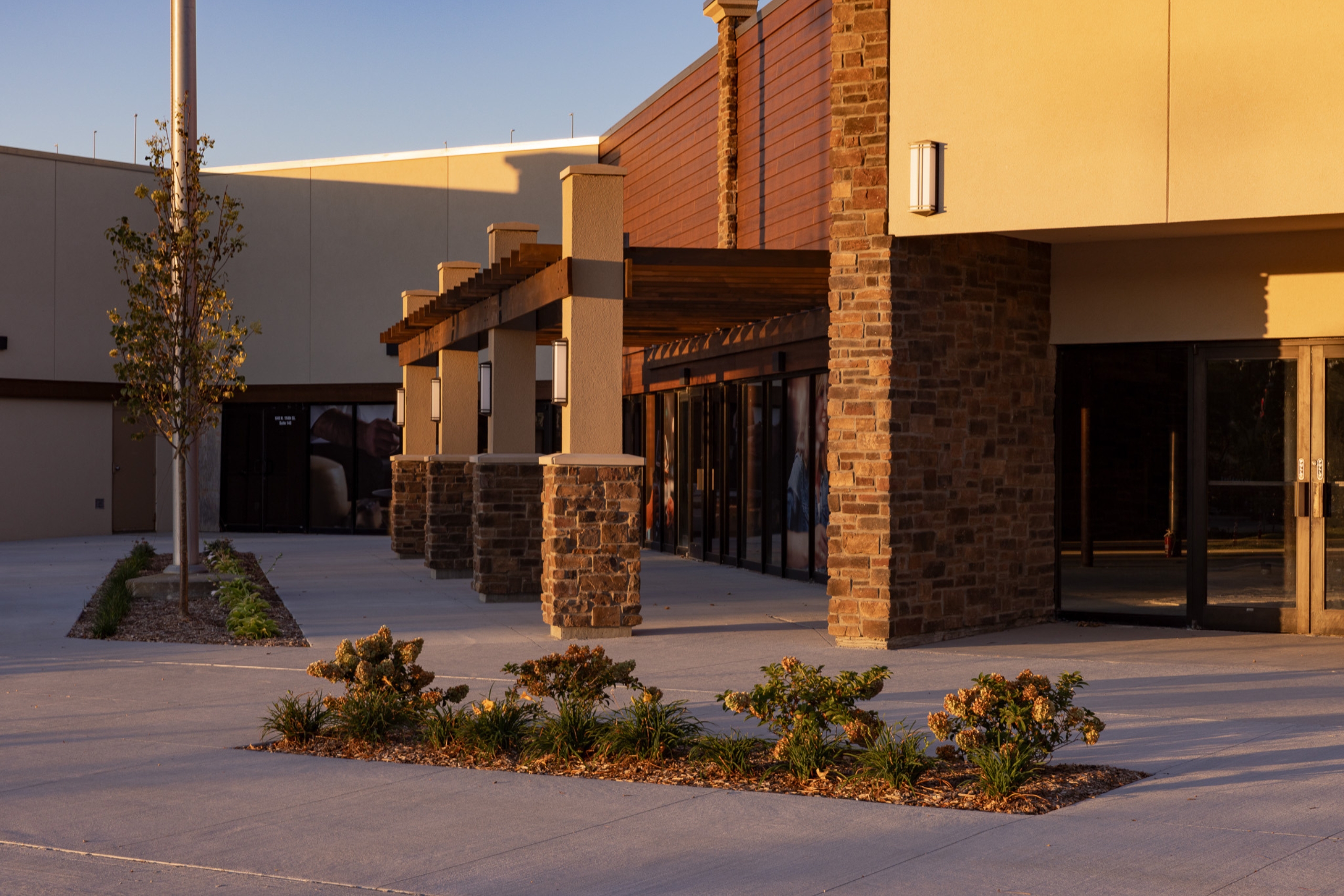
Choosing a residential construction company requires careful thought and planning, particularly when you’re building in a unique location like Omaha, Nebraska. Omaha’s distinct characteristics, from its weather patterns to local building codes, play a significant role in determining which construction partner is best suited for your project. This decision impacts everything from the timeline to design aesthetics and must align with your aspirations for your future home. As you begin this process, understanding your specific needs lays the foundation for a successful construction experience. It’s essential to pinpoint what makes a company stand out in the crowded market of residential builders. With a clear picture of your goals and expectations, you empower yourself to engage effectively with potential partners and eventually select a company that fulfills your dreams while respecting the unique elements that Omaha introduces to the building process. Identifying Your Needs and Goals Before reaching out to construction companies, take a moment to identify what you really want from your new home. This means having a clear idea of your ideal timeline, budget, and design preferences. Do you envision a modern open-concept living space, or are you leaning toward a cozy traditional home? Do you have a specific budget in mind, or are you willing to stretch a bit for premium features? These reflections will guide your conversations with builders and help you find someone who aligns with your vision. Communication becomes an important pillar during this phase. Discussing timelines, budget constraints, and design dreams ensures you’re both working toward the same outcome. While capturing your goals, remain open to expert advice and insights. Construction professionals bring years of experience to the table, and their suggestions might enhance your plans in unexpected ways. Researching Local Construction Companies Finding a trustworthy residential construction partner in Omaha might seem overwhelming, but following a structured approach makes it manageable. Start by compiling a shortlist of local builders known for their quality work and reliability. Here’s a quick checklist to get you started: – Browse online reviews and testimonials to gauge customer satisfaction and company reputation. – Seek recommendations from friends or family who have undergone similar projects. – Visit completed projects to personally assess the quality and style. Choosing a company based in Omaha has its advantages. Local builders understand city-specific building codes and environmental influences better than anyone. They know what works best in Omaha’s variable climate and can help navigate any local regulations that might come up. Additionally, supporting neighborhood businesses often results in more personalized service and quicker response times. Evaluating Expertise and Experience Once you’ve shortlisted potential partners, it’s time to explore their backgrounds. Evaluating a company’s expertise and experience can tell you a lot about whether they’re a good fit for your project. Start by looking at how many years they’ve been in business. Companies with a long history often have a wealth of experience and insights that newer companies might lack. Examine their portfolio, focusing on projects similar to yours. This can provide a clear idea of their style and capabilities. Check for any industry certifications or special recognitions they might have received. These accolades can indicate their dedication to quality and excellence. When it comes to making your choice, interviewing several companies will benefit you. Prepare a list of questions about their process, timelines, and what sets them apart from others. This gives you a chance to compare how well they understand and align with your needs. Understanding Project Management and Communication Strong project management is crucial for the success of your construction journey. Having a builder with a solid project management plan is key to keeping everything on track and within budget. During your discussions, inquire about their approach to managing timelines and unexpected challenges. Understanding their strategy will give you peace of mind that they’ve got everything covered. The way a company communicates throughout the project is just as important. Regular updates and an open line for questions help build trust. Consider asking them a few questions to test this aspect: – How often will we receive updates on the project’s status? – Who will be our main point of contact during the build? – How do you handle project changes and updates? A transparent communication style keeps everyone on the same page and ensures that your vision comes to life smoothly. Ensuring Legal and Financial Considerations Before you sign on the dotted line, make sure all legal and financial aspects are clear. Start by verifying that the company holds all necessary licenses and insurance. This protects you from unforeseen liabilities and assures you they operate within legal boundaries. Additionally, check if they’re bonded, which adds another layer of security in fulfilling contract obligations. A detailed contract is your best friend in this process. Make sure it includes all project specifics, timeline measurements, and cost outlines. Getting everything down in writing helps avoid misunderstandings later on. It’s also wise to understand the payment terms—knowing when payments are due and what they cover is crucial. Safeguard your investment by being clear on these details and discussing any concerns before moving forward. Bringing Your Vision to Life With all your preparation, you’re ready to take the leap toward building your dream home in Omaha. By identifying your needs, thoroughly vetting companies, and ensuring all legal measures are in place, you set the stage for a successful project. Take your time. This is a significant investment, and making an informed decision is well worth the effort. A great residential construction company not only executes the build but becomes a partner in your vision. Their expertise can transform your dreams into reality, ensuring that every detail aligns with your preferences and needs. Thorough planning and collaboration make the process fulfilling, ultimately delivering a home that brings joy and comfort for years to come.Start your journey towards building your dream home with confidence. PC Construction is here to offer you expert guidance and support with residential construction in Omaha. Our team is committed to making your
Understanding Key Construction Terms in Omaha
Construction management plays a significant role in shaping the landscape of Omaha, NE. It involves coordinating and supervising various construction projects to ensure they are completed on time, within budget, and to the required quality standards. Whether it’s a new office building, a residential complex, or a public infrastructure project, effective construction management ensures that every aspect of a project runs smoothly. Given the growing developments seen across Omaha, understanding the language and terms used in construction management has become increasingly important. This understanding helps not just the professionals in the field but also clients who want to make informed decisions about their projects. This glossary aims to bridge the gap for anyone interested in the construction management process. By unraveling the key terms and concepts used daily in the industry, we help provide clarity, especially for those new to construction projects. It is designed to equip professionals, clients, and residents of Omaha with the knowledge they need to navigate conversations and decisions in construction. Let’s delve into some of the essential terms and see how they fit into the broader construction management framework. Key Construction Management Terms Understanding terminology is critical in construction management, as each term carries significant weight in project execution. Here’s a look at some of the foundational terms: – General Contractor: This is the person or company responsible for overseeing the day-to-day operations of a construction site. They’re the point of contact for the client and manage the work of subcontractors, keep track of schedules, and ensure the entire project adheres to plans and regulations. – Subcontractor: Unlike the general contractor, a subcontractor is hired to perform a specific task or set of tasks. Subcontractors bring specialized knowledge and skills to projects, such as electrical work, plumbing, or roofing. Understanding the difference between a general contractor and a subcontractor helps clarify project roles and responsibilities. – Change Order: This refers to a document that outlines any changes to the original construction plan. Change orders can impact the project timeline, budget, and scope. Keeping track of these helps manage client expectations and maintain the project’s integrity. – Punch List: This list is compiled near the end of a construction project and details any tasks that need attention before the project can be considered complete. Addressing items on the punch list is essential for achieving client satisfaction and closing out the project successfully. – Bidding: The bidding process is critical when planning a construction project. It involves proposals from contractors who wish to undertake the work. Understanding how bidding works can influence decisions on project cost and execution methods. Each of these terms plays a vital role in the intricate dance of construction management in Omaha. Knowing them can empower both new and seasoned participants in the construction process. As we move forward, these terms will continue to underpin successful project management and execution in the area. Project Management Terms Building a successful project requires a solid understanding of certain key concepts. Let’s explore some crucial project management terms: – Scope of Work: This outlines all the tasks, activities, and objectives of the project. It’s like a roadmap, detailing everything that must be accomplished. Without a clear scope, projects risk veering off course or becoming more costly. – Project Schedule: This is your timeline, showing when specific tasks should be completed. A well-structured schedule keeps a project moving forward and helps prevent bottlenecks. – Budget Estimate: This involves predicting the total cost of a project before it begins. Budgets act as financial guidelines, allowing for necessary adjustments as the project progresses. – Risk Management: Anticipating potential problems is essential in any project. Risk management involves identifying risks early and planning how to mitigate them. This helps protect the project’s timeline and budget. – Quality Assurance: To ensure that the finished project meets the desired standards, quality checks are carried out regularly. Consistent monitoring is key to delivering a top-notch product. Financial Management Terms Keeping an eye on finances during construction helps maintain overall project health. Here’s a brief on key terms related to financial management: – Cost Control: Cost control is about monitoring expenses and keeping them within the set budget. This involves adjusting resources and plans when financial overruns are detected. – Progress Payments: These are payments made at intervals throughout the project, based on completed portions. They help manage cash flow, ensuring contractors cover their costs as work continues. – Retainage: A percentage of money is held back from payments until the project’s completion to ensure all work meets agreed standards. This ensures contractors finish their tasks as promised. – Lien: A lien provides security for debts, allowing contractors to claim compensation if they haven’t been paid. Understanding liens is important for anyone involved in construction contracts to prevent legal complications. Construction Documentation Proper documentation is the bedrock of any construction project. Here’s a look at its key elements: – Blueprints: These detailed drawings guide the construction process, showing builders what the finished structure should look like. They’re essential for maintaining design precision. – Specifications: Specifications accompany blueprints, outlining materials and workmanship required. They ensure everyone works to the same standards and expectations. – Daily Reports: These reports provide a daily log of activities, weather conditions, and any issues on-site. Keeping daily reports helps track progress and quickly address obstacles. – Closeout Documentation: These are the final pieces of paperwork needed to complete a project. They include everything from warranties to test results, signaling the official end of construction. Ensuring Success in Construction Management in Omaha Understanding these terms is a significant step towards mastering construction management in Omaha. Knowledge empowers both industry professionals and clients to make informed decisions and ensure projects run smoothly. Successful construction management relies on effective planning, communication, and execution. By grasping these foundational concepts, you’re better positioned to tackle the complexities of any construction project. Whether you’re breaking ground on a new building or renovating an old one, having this glossary at your fingertips makes navigating the construction
Understanding Design-Build Services in Omaha
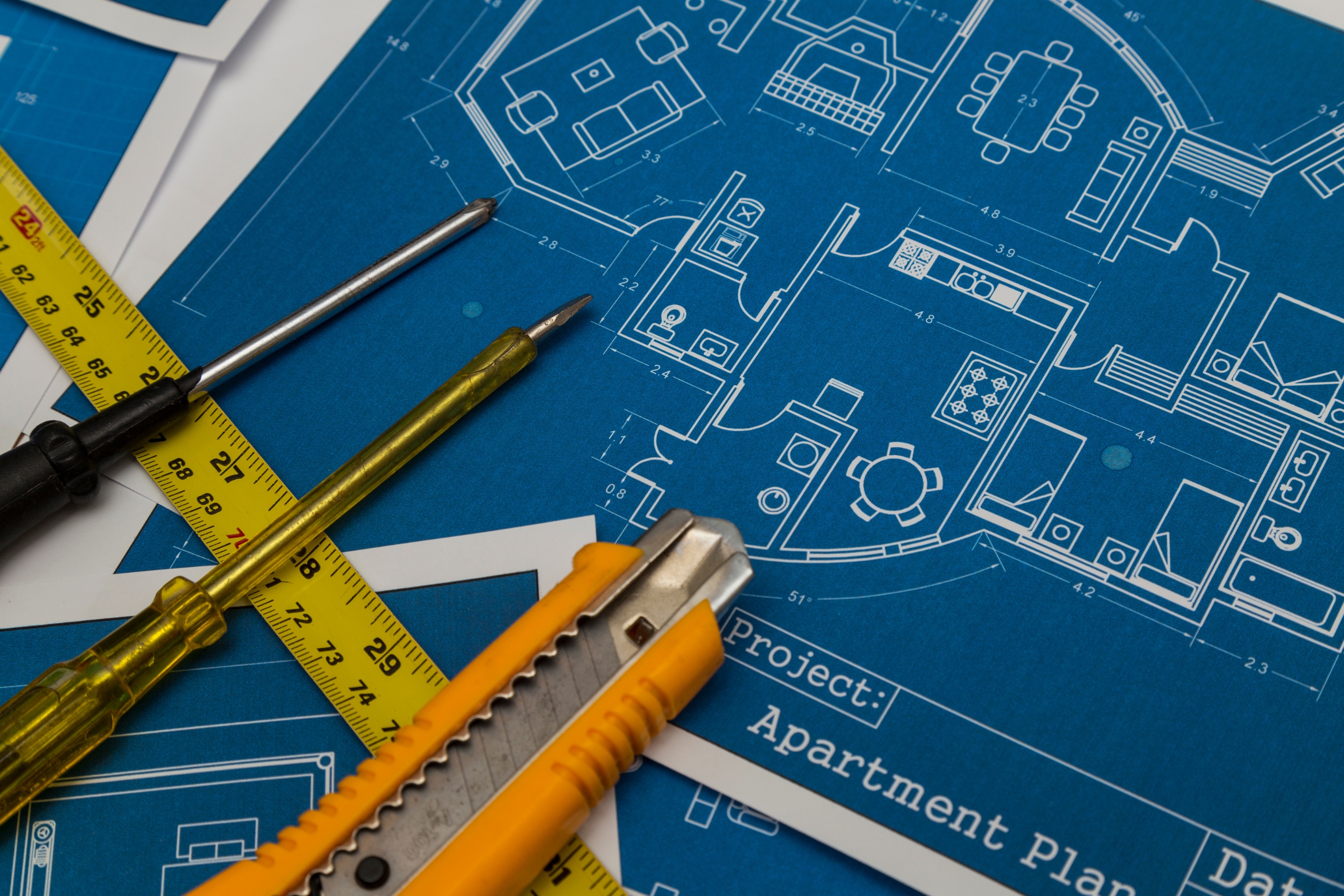
The design-build approach is a unique and collaborative method in the construction world that combines both the design and construction phases into a single integrated process. This method stands in contrast to traditional approaches where design and construction are handled separately. By bringing these two vital elements together, it creates a seamless workflow that promotes efficiency and communication. This means fewer misunderstandings and a smoother path from concept to completion. For projects in Omaha, this method is not just practical but also adaptable to local needs, ensuring that every detail aligns with the community’s character and requirements. In the bustling environment of Omaha, opting for design-build services offers distinct advantages. With one integrated team overseeing the entire project, there’s a unified vision that eliminates the typical hitches found in handovers between separate design and construction teams. This translates to faster completion, cost savings, and enhanced quality. Whether it’s a small business office or a large-scale public project, using this approach can make the journey as stress-free as sitting in a cozy chair, knowing someone is there to guide each step seamlessly. What Are Design-Build Services? Design-build services combine design and construction responsibilities into a single contract. This method contrasts with the conventional approach, where you would have separate agreements for design and construction, often requiring you to play the role of a middleman in juggling both parties. With design-build, a single entity manages both aspects, which streamlines communication and keeps everyone on the same page from day one. This unified method ensures that your vision is not lost in translation between architects and builders, as all team members work collaboratively under one roof. In a design-build team, you’ll find professionals like architects, engineers, and contractors. Each person has a vital role—from bringing creative concepts to life to ensuring structural integrity and executing the actual build. This cooperative effort from start to finish not only fosters creativity but also leads to more innovative solutions tailored to your project’s unique requirements. It’s like having a well-oiled machine where every part knows exactly what to do and when to do it. Effective communication is a hallmark of this process. When designers and builders collaborate closely, the project progresses without the usual stops and starts. Decisions are made collectively, which reduces delays and misunderstandings. This setup allows both parties to weigh in at every stage, leading to an end product that stays true to the original vision while often coming in faster and more cost-effectively. This approach might remind you of smoothly writing a group paper in school, where everyone contributes equally and the final product reflects a unified effort. The Design-Build Process Explained The design-build process typically starts with an initial consultation and project planning phase. This is a crucial period where you’ll discuss your needs, ideas, and budget with the design-build team. Setting clear goals at this stage is important, as it lays the groundwork for everything that follows. Once the vision is clear and the team’s priorities are aligned with yours, the design phase can begin. Here, a collaborative team effort produces designs that align with your expectations and meet all necessary requirements. During pre-construction, the focus shifts to sorting out permits and finalizing timelines. This phase involves ironing out the logistical details, ensuring that everything from site preparation to resource allocation is in place. It requires careful planning and organization, as this is when potential roadblocks are identified and addressed proactively to avoid disruptions later on. Then comes the actual construction phase, where the plans turn into reality, with regular updates keeping you informed and involved. The final steps in the process include a comprehensive inspection and the official handover. This is where the team ensures everything meets the agreed standards and any finishing touches are completed. The project concludes with you getting the keys and stepping into a finished space that matches your initial vision—a space ready for its intended purpose, tailored flawlessly to your needs. Advantages of Design-Build Services in Omaha Choosing design-build services brings several benefits specific to Omaha. One key advantage is the potential for cost-effective solutions. By consolidating design and construction, project costs can be better managed, reducing the potential for unexpected expenses. With all phases under a single contract, you can expect more accurate budgeting as everything is accounted for upfront, minimizing financial surprises down the road. In addition to cost savings, time efficiency is a significant benefit. The integrated nature of this approach often leads to faster project completion. Because the team can move seamlessly from design to construction without delays typical in traditional methods, the overall timeline shortens. This is particularly beneficial in a city like Omaha, where seasonal changes can impact construction schedules. Getting projects completed efficiently means less downtime and faster access to the finished spaces. Improved quality is another strong point. When a dedicated team oversees both design and construction, they maintain higher standards throughout the project. This collaborative environment encourages innovative solutions and ensures that the finished product meets all quality expectations. Having the same team from start to finish ensures consistency, allowing the project to achieve its intended style and functionality without compromise. Making the Right Choice for Your Project Selecting the right design-build firm is crucial for the success of your project. Here are a few tips to ensure you make the best choice in Omaha: – Research Thoroughly: Look into the firm’s past projects to assess their capability and style, ensuring they align with your vision. – Prioritize Experience: Choose a firm with a proven track record in handling similar projects. Experienced teams are better equipped to navigate potential challenges and deliver satisfactory results. – Focus on Communication: Ensure the firm prioritizes clear and open communication. This is vital for keeping you informed and involved throughout every stage of the project. – Check References: Speak with previous clients to understand their experiences and gauge the firm’s reliability and performance. A thorough selection process will increase the chances of a successful and stress-free project completion.

Successful Historical Restoration in Omaha
Restoring historical buildings is about more than just fixing old walls and roofs. It is a critical process that helps us hold on to the past, preserving stories and architectural styles that are part of our cultural identity. In Omaha, where history meets modern development, restoring these structures keeps the city’s rich history alive and thriving. There’s a unique satisfaction in watching a building regain its former glory while still serving the community in new ways. However, restoring a historical building is no easy task. It comes with its own set of challenges and rewards. The challenges may include dealing with outdated infrastructure or sourcing materials that match the original design. Yet, the rewards—seeing a building come back to life and knowing you’ve contributed to preserving history—are immensely fulfilling. Whether it’s turning an old theater into a vibrant community hub or a historic home into a functional space, each project contributes a piece to Omaha’s ever-growing tapestry. Understanding Historical Building Restoration So, what exactly is historical building restoration? At its core, it’s about bringing a building back to its original state as accurately as possible. It involves not only restoring the physical aspects but also respecting the historical significance and cultural stories that the building carries. This means you can’t just replace old windows with new ones off the shelf or slap a new coat of paint. Instead, you have to carefully consider every element, ensuring it matches the original design. Maintaining architectural integrity and historical accuracy is crucial in these projects. Why? Because every detail, from the materials used to the specific design techniques, contributes to the authenticity of the restoration. It’s like fitting together pieces of a historical jigsaw puzzle. The final picture is incomplete if even a single piece is off. This approach not only honors the craftsmanship of earlier times but also ensures that the building remains a true representation of its era. Steps for a Successful Historical Building Restoration in Omaha Restoration is not a straightforward process, but following a series of structured steps can make it much more manageable: 1. Research and Documentation: Start by gathering all known information about the building, including its original uses and any historical significance. Document the existing condition in detail, photographing every corner and collecting historical documents or blueprints if available. 2. Assessment and Planning: Conduct a thorough assessment to understand the building’s current state and identify areas needing attention. Develop a comprehensive restoration plan that includes timelines, budgets, and specific restoration techniques. 3. Obtaining Permits and Approvals: Since many historical restorations are subject to strict regulations, you’ll need to navigate local requirements. This involves obtaining the necessary permits and ensuring compliance with historical preservation standards. 4. Restoration Process: Finally, dive into the restoration work itself, which will include selecting proper materials and employing skilled craftsmanship for each task. Whether it’s restoring wooden beams to their former glory or carefully repainting a decorative facade, attention to detail is key. Each step ensures that the building not only meets modern safety and integrity standards but also remains a faithful representation of its historical self. As you move through the steps, maintain open lines of communication with local historians and communities to ensure a successful and respectful restoration process. Challenges in Historical Building Restoration Restoring a historical building often presents several challenges, each needing careful attention. One major issue is dealing with structural problems inherent in old buildings. Time and the elements can significantly weaken structures, necessitating expert evaluation and repair methods. A solid foundation or a stable roof might require advanced techniques to preserve both safety and historical integrity. Another challenge lies in sourcing materials that match the building’s original construction. Modern materials, while convenient, often don’t match the look and feel of those used in older structures. Finding suppliers who can provide quality, period-appropriate materials is crucial to maintaining authenticity. You might need to source rare brick types, specialized wood, or unique tiles that are characteristic of the building’s original era. Balancing modern needs with historical accuracy can also be complex. Historical buildings weren’t designed with modern comforts in mind. Integrating technological upgrades—like electrical systems, plumbing, or AC—while preserving architectural details demands creative solutions. It’s about bridging the past with the present, ensuring the building can be enjoyed and utilized today without compromising its essence. Expert Tips for Historical Building Restoration in Omaha Working with seasoned professionals is invaluable for navigating a successful restoration project. Experienced restoration specialists bring expertise in handling the delicate nuances of historical work. They understand how to maintain the building’s character while ensuring it meets current safety standards. Engaging with local communities and historical societies offers further support. These organizations often have invaluable insights and resources, plus they connect you with like-minded individuals dedicated to preserving local history. Their involvement can bring the added benefit of collective expertise and shared responsibility for the project’s success. Planning for long-term maintenance is essential once the restoration is complete. Regular upkeep helps protect your investment and the building’s historical value. Establishing a schedule for inspections and minor repairs will ensure the building remains in peak condition for years to come, preserving its charm and utility for future generations. Bringing Your Restoration Project to Life Restoring a historical building is a rewarding endeavor, blending respect for the past with the needs of the present. Each project is unique, presenting its own set of challenges and triumphs. As you plan your restoration, remember to prioritize authenticity and safety while remaining open to modern innovations that enhance the functionality of the space. Ultimately, a thoughtful and well-executed restoration enriches the community by preserving its architectural heritage. Whether you’re involved in a small project or tackling a larger one, contributing to the tapestry of Omaha’s historical landscape is both an honor and an adventure. Embrace the opportunity to be part of this ongoing story, grounded in the rich and diverse past of the city.Preserving Omaha’s historical gems requires the right expertise and approach. If you’re ready to start your
FAQs on Tenant Improvement Projects in Omaha
Tenant improvement projects are a big deal for businesses aiming to personalize their spaces. These projects, especially in places like Omaha, bring a fresh new look to an existing building, turning it into a space that suits the unique needs of tenants. Whether it’s adding more offices, updating a lobby, or installing modern lighting, these changes can breathe new life into a property. For businesses, this means creating a workplace that reflects their brand and boosts employee morale. Proper planning is key to a successful tenant improvement project. Without it, projects can easily run over budget or miss important details that are crucial for the tenant’s needs. By thinking ahead and planning carefully, businesses in Omaha can make sure their spaces aren’t just visually appealing but are also functional and cost-effective. This approach helps avoid unnecessary expenses and delays, ensuring the space meets expectations from day one. What is a Tenant Improvement Project? Tenant improvements are updates or changes made to a rental space to better fit the needs of a tenant. These projects can take on many forms, depending on what the tenant requires. For instance, a company might want to re-arrange office layouts to foster better collaboration among employees. Other changes could involve upgrading technology infrastructure or redesigning the interiors to create a brand-specific look and feel. For both tenants and property owners, tenant improvements offer numerous benefits. Tenants get a space that works for their business, which can lead to greater productivity and employee satisfaction. For property owners, these improvements make the building more attractive to potential tenants and can increase its overall value. Enhancing features within a property keeps it competitive in the market and ensures occupancy is maintained. These changes don’t just improve the aesthetic; they often bring practical upgrades that make the space more efficient and appealing to those using it every day. What Are the Common Steps in a Tenant Improvement Project? Tenant improvement projects usually follow a structured path to ensure everything goes smoothly. The journey starts with the planning and design phase. During this time, tenants work with designers and architects to map out how the space will look and function. An example might be choosing open floor plans to encourage communication among teams. Decisions in this phase lay the groundwork for all future steps, making it essential to clearly define what’s needed. Once the design phase wraps up, getting the necessary permits and approvals becomes the focus. This step involves coordinating with local authorities, especially in Omaha, to comply with building codes and regulations. It’s pivotal to complete this stage thoroughly to avoid obstacles later that could slow down progress. With everything approved, construction can begin. This phase can range from minor renovations to significant overhauls, depending on what the tenant wants. The construction team works to transform the space as outlined in the plans, paying close attention to detail. After construction, there’s usually a final walk-through. This is when tenants inspect the completed space to make sure it’s aligned with the initial design plans and their specific needs. Addressing any concerns at this point ensures that the final product enhances the tenant’s business operations. How to Budget for a Tenant Improvement Project in Omaha Budgeting is a significant part of tenant improvement projects, ensuring things don’t go financially off-track. A good starting point is estimating the costs with precision. This means understanding the scope of the project and the materials needed. On top of the basic costs, think about including estimates for labor and any special features or technology you might want to incorporate. Here are some key tips for setting a budget: – Assess initial project scope and costs – Compare quotes from multiple contractors – Set aside funds for unexpected expenses – Look into potential financing options, like loans or leases – Establish a robust contingency plan Having a contingency plan is wise. Unforeseen expenses can emerge, whether from supply chain issues or design changes. By setting aside a bit more than the estimated budget, there’s a cushion that can prevent stress and financial strain. For those considering financing, exploring various options is beneficial. Some tenants may find valuable benefits in looking at leasing parts of the project, while others might prefer installment loans. The right choice can make the financial load more manageable and enhance the project’s flexibility. How Long Does a Tenant Improvement Project Typically Take? The duration of tenant improvement projects can differ based on several factors, such as scope and complexity. On average, these projects may take a few weeks to several months to complete. Simpler renovations, like repainting or replacing fixtures, take less time than full-scale remodels that might involve structural changes. To give you an idea, consider these common timelines: – Minor updates: 4 to 6 weeks – Moderate renovations: 3 to 4 months – Major overhauls: 6 months or more Factors influencing the project timeline include the building type, tenant requirements, and the time allocated for obtaining permits and inspections. If the building is particularly old or requires a lot of customization, expect the project to take longer. Elevating Omaha Commercial Spaces with Strategic Tenant Improvements Tenant improvement projects hold the potential to greatly enhance the functionality and appeal of a commercial space. By understanding the steps involved, creating a solid budget, and realistically assessing the timeline, tenants and property owners can effectively navigate the process. These projects represent more than just changes in appearance; they empower businesses to create environments that align with their brand and operational needs. For those in Omaha, connecting with seasoned professionals can make this endeavor less daunting. With the right guidance and expertise, tenant improvement projects can transition smoothly from initial planning stages to successful completion, ensuring the space meets all your business expectations. For personalized solutions and expert guidance on maximizing your space, consider PC Construction’s expertise in tenant improvement in Omaha. Connect with us to ensure your project runs smoothly and meets all your business needs.
