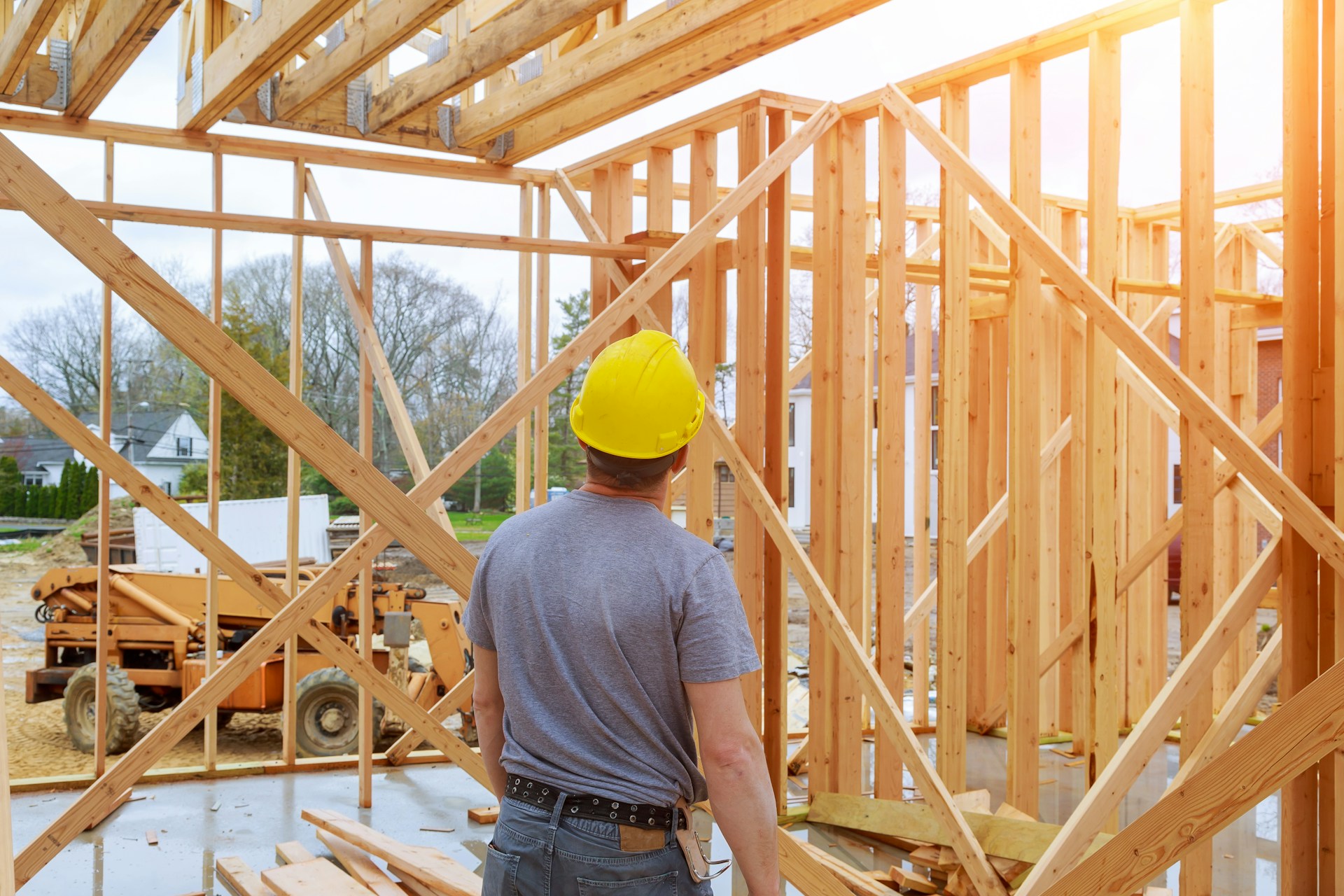
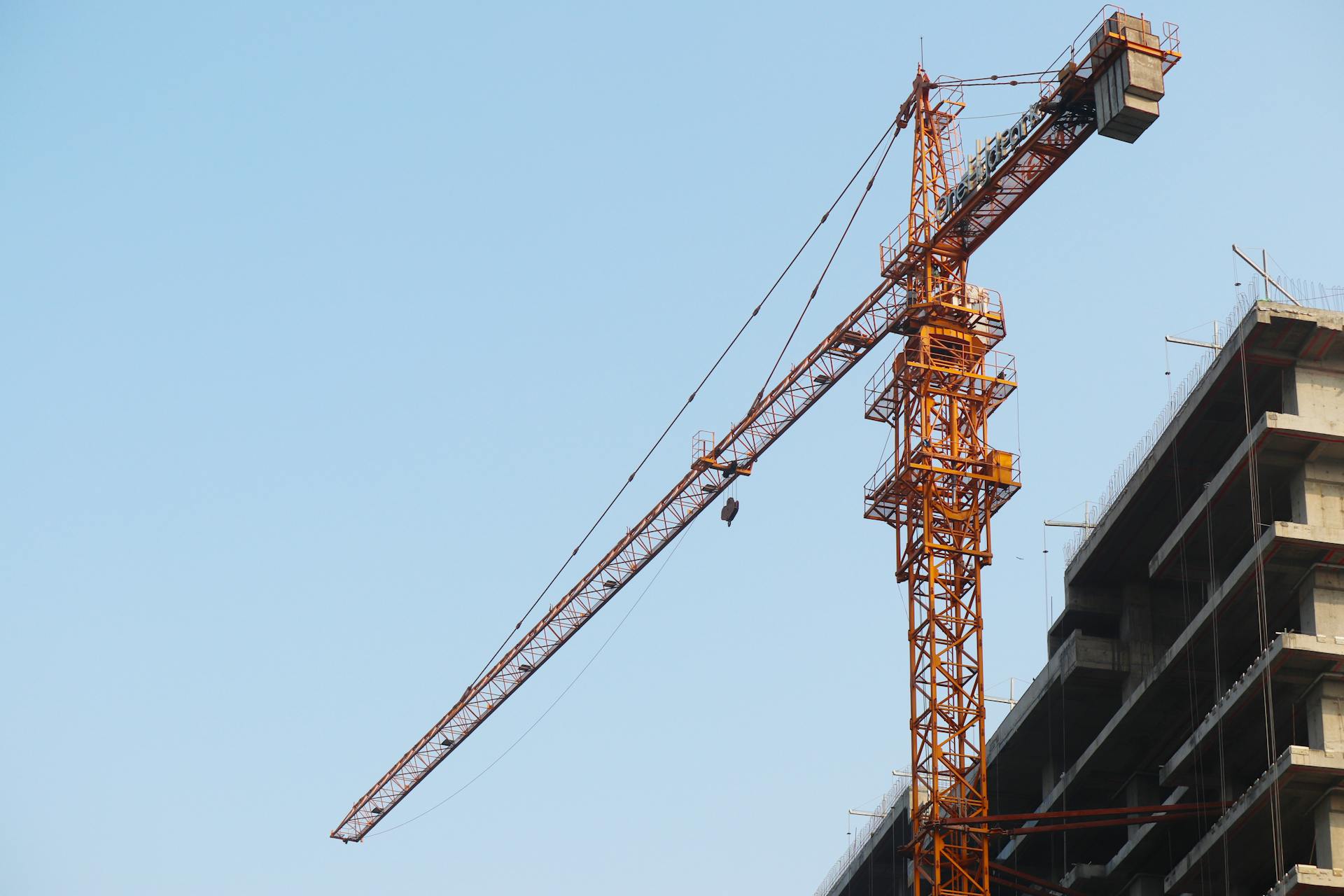
Preconstruction planning is like setting the stage for a play. It’s essential to have everything ready before the curtains rise to ensure a smooth performance. In construction, this phase is where all the crucial groundwork happens. It’s your chance to lay out the blueprint for success, predict potential challenges, and make informed decisions to keep everything on track. Without proper planning, even the most brilliant ideas can fall apart, leading to delays, unexpected costs, or even complete project failure.
In Omaha, where construction projects are thriving, avoiding common mistakes during preconstruction planning can save time and resources. Poor planning might lead to overlooked regulatory requirements or run-ins with local zoning laws, which can be costly. Taking the time to plan thoroughly allows project managers to foresee variations in site conditions and prepare for potential hurdles. This proactive approach reduces risk and enhances project outcomes, making the importance of preconstruction planning clear to anyone involved in construction.
Failing to Define Project Scope Clearly
A well-defined project scope acts as a roadmap for construction projects. It’s what sets expectations and determines the necessary steps and resources needed. When construction teams skip this step, they might find themselves stuck with open-ended goals or unclear tasks. Vagueness in project objectives can lead to confusion and miscommunication among team members, causing delays and additional costs.
To avoid these pitfalls, it’s important to start by clearly outlining what the project aims to achieve. Identify the key deliverables and create a detailed list of roles and responsibilities. This will help ensure everyone involved knows exactly what they are contributing to the project. Make sure to bring stakeholders into the conversation early on. Their input can help highlight any ambiguities and fine-tune project objectives. By ensuring everyone agrees on the scope from day one, you lay a strong foundation for a smooth construction process.
Ignoring Soil and Site Analysis
Skipping thorough soil and site analysis can be a costly mistake. This crucial step identifies the physical characteristics and potential challenges of the land, allowing for informed decisions about construction methods and materials. Without it, unforeseen ground conditions could arise, leading to delays or expensive adjustments.
To prevent such issues, it’s essential to conduct comprehensive soil tests and site analyses early in the planning phase. This includes checking for soil stability, composition, and drainage capabilities. Use these insights to adjust the design or construction approach as necessary. By addressing potential site challenges head-on, you’re better equipped to keep the project on schedule and within budget.
Inadequate Budget Planning
Budget planning is the backbone of any construction project. Without it, even the most well-conceived plans can go off track. One common mistake during preconstruction planning is overlooking costs or failing to account for potential changes along the way. This can result in running over budget, which poses serious risks to the project’s completion.
To avoid these financial pitfalls, it’s important to engage in thorough and realistic budget planning. Start by detailing every cost you can anticipate, from materials and labor to permits and unexpected contingencies that could arise. This approach reduces surprises and equips you with a financial cushion to manage unforeseen expenditures. Make sure to regularly review and update the budget as the project evolves, allowing adjustments for any changes or escalations in cost.
Overlooking Permits and Regulations
In Omaha, overlooking permits and regulations is akin to opening a door to costly delays. Not securing all required permits can halt a project and lead to hefty fines. Different areas have unique codes and regulations, so it’s vital to understand and comply with them right from the start. Failing to do so might make your project vulnerable to enforcement actions, which could delay the timeline significantly.
To prevent this, familiarize yourself with the local building codes and reach out to the necessary authorities to ensure that all permits are in place before breaking ground. Keep a checklist of required documents and deadlines to stay organized. Seeking professional help or consulting with legal experts specialized in construction law is often a wise choice to avoid any pitfalls in this area.
Skimping on Communication and Coordination
Communication serves as the glue that holds a construction project together. When it’s lacking, misunderstandings and mistakes can easily arise, leading to unnecessary setbacks and frustrations. Effective coordination among all team members, from the architects to the subcontractors, is key to ensuring the project progresses smoothly.
To foster strong communication, establish clear channels and protocols from the beginning. Regular meetings, whether virtual or in person, help keep everyone on the same page. Use tools and technologies designed for project management to facilitate information sharing and track progress. By maintaining an open line of communication throughout the project, you minimize the risk of costly errors and enhance the overall workflow.
Ensuring Your Project’s Success with Proper Preconstruction Planning
Understanding the common mistakes in preconstruction planning is the first step towards a successful project. Defining a clear project scope and conducting thorough site analysis are vital starting points, ensuring everyone involved knows their role. Budget planning lays the financial framework necessary to avoid surprises, while obtaining the right permits keeps you on solid legal ground. Lastly, fostering effective communication remains indispensable for coordinated efforts among team members.
By paying careful attention to these aspects, your construction project in Omaha is positioned for success. Avoid the pitfalls that could derail your timeline and budget, and remember that meticulous planning in the preconstruction phase holds the key to a smooth construction journey.
Looking to avoid common pitfalls in your next project? Mastering preconstruction planning in Omaha is essential for success. At PC Construction, we excel in turning meticulous planning into perfectly executed projects. Contact us today to ensure your construction journey is as smooth and efficient as possible.