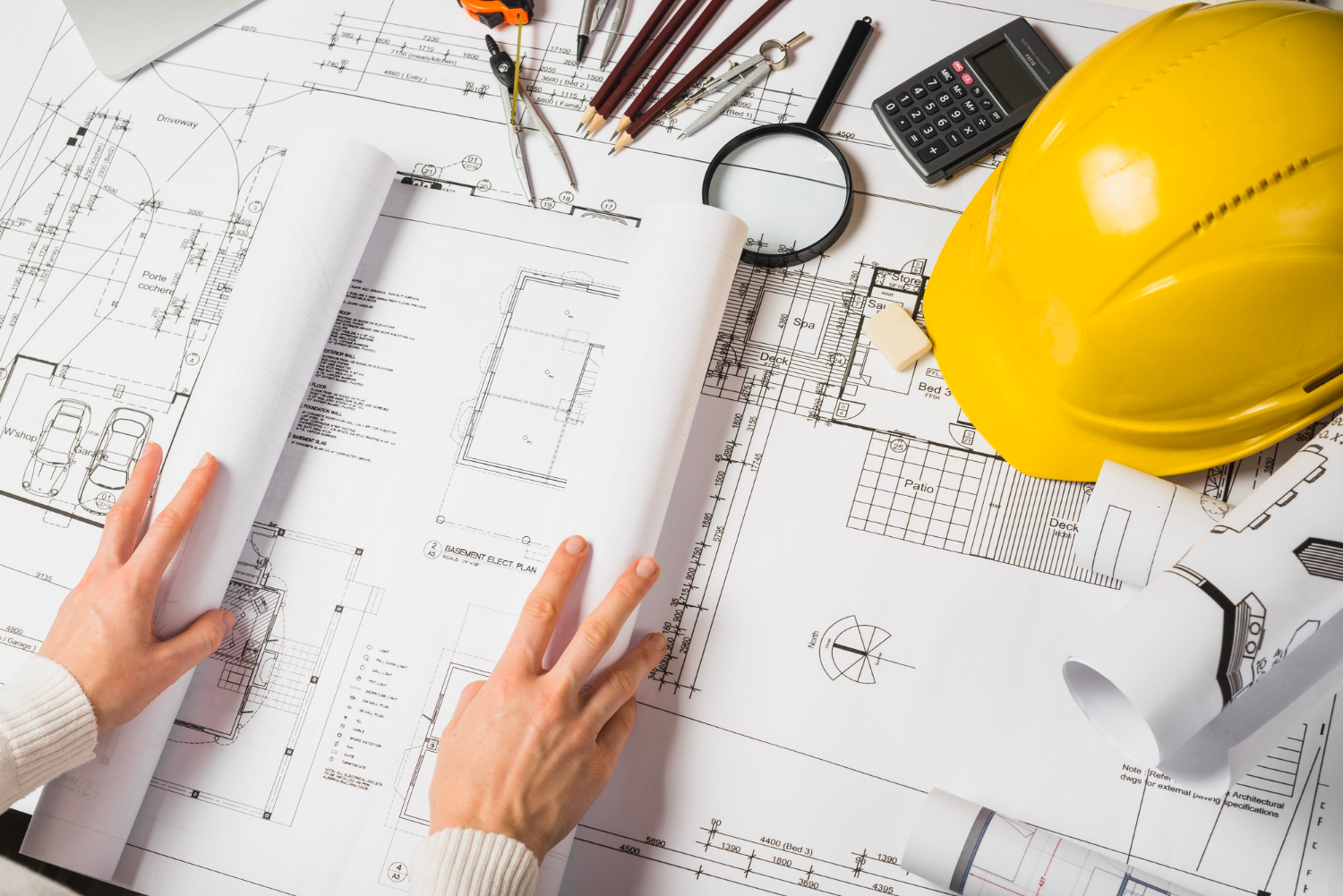
Getting a retail buildout off to the right start means putting time into planning before construction begins. That planning phase, often called preconstruction, lays the groundwork for nearly every part of the build. It’s when goals begin to turn into actual steps, drawings become plans, and budgets begin to take shape. Preconstruction planning in Omaha is especially important during colder months, when short daylight hours and winter weather can impact timelines and materials access. The earlier this process kicks off, the more prepared everyone will be to break ground without surprises.
By looking closely at layout needs, utility connections, local codes, and vendor scheduling, we can shape a project that stays on track and avoids delays. PC Construction’s preconstruction planning support in Omaha includes helping business owners set clear objectives, plan realistic budgets, choose the right team, and address regulatory requirements in these early stages. Skipping the planning often leads to higher costs and rushed decisions later on. Careful preconstruction helps design smarter retail spaces, reduce timeline risks, and catch issues before they grow into expensive problems.
The Role of Site Evaluation and Permits
Every Omaha lot comes with its own set of factors that influence how a retail project can move forward. Some spaces may look simple on the surface but can hide zoning restrictions, underground utility tie-ins, or drainage issues that throw off a schedule.
Before any construction begins, it’s important to get a full picture of the property. This usually starts with reviewing:
• Utility access for water, gas, and electricity
• Sewer lines and stormwater drainage
• Zoning requirements for retail-specific use
• Setback limits and parking minimums
Permitting can add more time than many expect, especially in cities like Omaha where weather may shorten optimal construction periods. Winter often slows down inspection schedules, and spring project backlogs can make approvals take longer. By locking in these elements early, we can stay in front of delays and keep the full project on schedule.
Budgeting and Vendor Coordination
Money conversations early on can save stress months down the line. Planning ahead lets us build a cost structure that holds up during the full build. Our client-centric, budget focused, schedule driven approach keeps these cost discussions aligned with overall project goals from the beginning. Materials can fluctuate in pricing based on availability, season, or even shipping conditions, particularly at the end of winter in Omaha when roads, supply chains, and weather all play a role.
We use the preconstruction phase to pin down pricing estimates and then factor in lead times for key items. Coordinating with vendors at this stage lets us confirm schedules and know when big items like storefront glazing or HVAC units will actually arrive.
Here’s what we focus on early:
• Confirm construction timelines aligned with vendor schedules
• Choose materials that will be available during the winter months
• Identify backup sources for time-sensitive deliveries
• Map contractor schedules around cold-weather delays
Building a reliable cost plan helps clients track investment details, and it also keeps everyone accountable for the scope and schedule.
Planning Layouts With Foot Traffic and Flexibility in Mind
A retail build is more than four walls and a checkout counter. How the space feels, flows, and adapts over time matters just as much as the floor finish or ceiling height. Good layouts start with understanding how customers will move through the space.
During preconstruction, we look at sight lines from the entrance, how merchandise displays will be positioned, and where bottlenecks could slow down foot traffic. We also factor in the space behind the scenes, storage, cleaning access, and staff flow all need to work with the front of house.
Flexibility plays a big role too. Many retail clients want room to change with the seasons or expand later. Here are a few things that help:
• Open floor designs that allow display shifts
• Modular walls that support minor reconfigurations
• Easily upgradable lighting or electrical for new displays
Planning for future use during construction saves time and money later when those changes actually happen.
Utility Connections, Delivery Areas, and Back-of-House Spaces
Behind every well-lit storefront are the systems that keep it running. Electrical, plumbing, and HVAC connections can’t just be designed last minute. During winter in Omaha, frozen ground or icy access paths can make trenching or repairs more difficult and costly. That’s why it’s smart to map these areas early and design access that works year-round.
We make sure the layout connects smoothly from front to back, considering spaces for trash, cleaning, and supply deliveries. Whether it’s a franchise location or a boutique retailer, these quiet zones need just as much attention as public-facing areas.
Preplanning this infrastructure includes:
• Locating HVAC units for easy service
• Grouping plumbing fixtures to share supply lines
• Building out back entrances for vendor access
• Positioning panels and system wiring where they stay inaccessible to the public, but easy to reach for repairs
Taking time early to sort out systems and service zones gives the whole project more staying power.
Timing the Construction Phase Around Winter Weather
Construction in Omaha during February comes with a few extra hurdles. Equipment takes longer to prep, concrete needs careful heating, and ice can shut down sites for days at a time. Short daylight hours shrink active work windows too.
That’s where preconstruction efforts pay off most. We can sequence the work so indoor tasks like framing or drywall happen when the roads aren’t safe for deliveries. Or we wait to pour exterior slabs until we’re past freeze, thaw conditions.
Ways to work around winter risks include:
• Completing outdoor tasks before deep winter hits
• Starting jobs with interior demo or framing work
• Using protective covers or heated materials where possible
• Padding schedules with extra time for weather-related pauses
Even a few thoughtful schedule adjustments can keep retail projects from falling behind before spring.
Building Retail Projects That Run Smooth From Day One
Retail buildouts come together best when they’re backed by early and coordinated planning. Taking time to look at utilities, vendor schedules, and site-specific risks creates good momentum once work begins. In Omaha, where weather and permit lead times can throw off even the best-planned builds, the preconstruction phase plays an even bigger role.
By thinking through how people use the space, how systems keep it running, and how schedules work with the local climate, projects reach completion with fewer surprises. Whether it’s a franchise refresh or a new retail location, preconstruction gives projects a foundation to move forward with confidence.
Starting your retail construction project early is smart with cold weather, permit backlogs, and supplier schedules all playing a role in potential delays. Through strong coordination and early-stage planning, we help your retail space come together smoothly and on time. To discuss your goals for preconstruction planning in Omaha, contact PC Construction today.