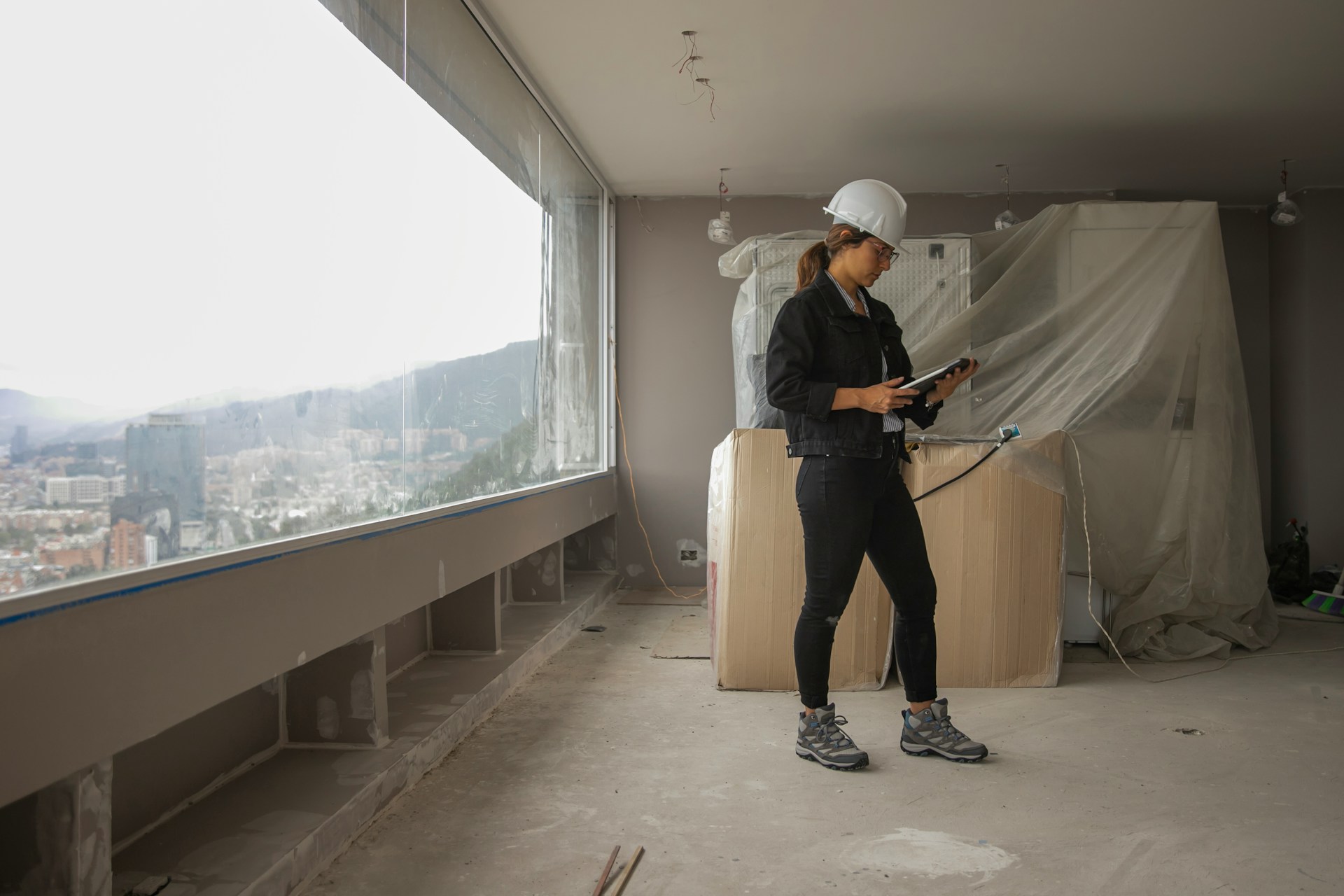
Tenant improvement in Omaha can be a smart way for businesses to customize their space, but delays often sneak up and throw off everything from move-in dates to operational goals. This is especially true during winter, when weather conditions and tighter timelines add pressure to projects already full of moving parts. Whether you’re planning a retail buildout, a franchise fit-out, or converting a space for medical or office use, there are a lot of moving pieces that need to fall into place and stay on track.
Before any actual construction begins, understanding what typically causes slowdowns can make all the difference. From initial planning gaps to problems on the job site, we’re laying out the common reasons tenant improvement projects get delayed in Omaha and how to steer clear of them. We provide general contracting, construction management, and design-build services for projects of all sizes in Omaha, so we see many of the same delay patterns repeat across tenant improvement work.
Poor Preconstruction Planning Slows Everything Down
Getting off on the wrong foot during early planning can cost a project weeks, sometimes more. Winter in Omaha adds its own challenges, making a shaky start especially risky. A few things that go wrong often include:
- Incomplete budgeting or forgetting key building code requirements, which can lead to design changes midway through construction
- Permits getting held up because of missed paperwork or unclear scope
- Lack of coordination with landlords, building managers, or utility companies, all of whom may have their own policies and timelines
- Trying to stick to a timeline that doesn’t account for winter slowdowns, such as weather delays or longer lead times on materials
Even just one of these issues early in the process can snowball. That’s why preconstruction planning that looks at timing, permits, design, budgeting, and coordination upfront can save time later. In Omaha, it’s especially smart to build in extra room to plan around the seasonal curve. We offer design-build services in Omaha, bringing design and construction together under one team to help keep tenant improvement projects aligned from the earliest planning stages.
Weather Impacts Are Easy to Underestimate
Winter is always a wild card. While much of the interior work might seem insulated from the weather, outdoor access, site prep, and material handling all take a hit. Here’s where we typically see the most trouble:
- Cold temperatures slow down material curing and can make working conditions unsafe for crews
- Snow or freezing rain limits site access, stalls deliveries, or causes stoppages when certain trades can’t safely perform their scopes
- Labor can be harder to maintain during winter, since work hours get cut short and availability sometimes drops
Some delays just can’t be avoided when the weather interrupts progress. But building extra flexibility into the schedule and knowing how winter affects workflows allows better decision-making when those curveballs come.
Change Orders That Throw Off the Schedule
The more decisions that get made up front, the fewer changes have to be made in the middle of the job. Unfortunately, a lot of tenant improvements get hit with schedule delays when the scope moves around late in the process. Some common issues include:
- Mid-project changes to layouts, finish selections, or utility hookups
- Missing details in the original design that require revisions after demolition begins
- Project goals that shift because of operational or brand-related decisions made after construction has started
- Delays in client approvals that stop progress on specific sections of the build
Sometimes changes are necessary, especially when unexpected site conditions or building constraints come up. But the more a buildout is mapped and locked down from the beginning, the less time is wasted rewriting plans on the fly.
Coordination Gaps Between Trades or Teams
Tenant improvements often require tight coordination because they take place in existing spaces and sometimes within active buildings. Without consistent communication between crews, issues can pop up fast. Problems we’ve seen that can lead to slowdowns include:
- One trade finishing behind schedule, which pushes back everyone lined up after them
- Overlapping tasks that interfere with each other, like electricians working while ceilings are being framed
- Miscommunication about sequencing, which leads to areas being installed out of order or having to be redone
- No consistent point person keeping all moving parts on the same page, which makes small mistakes turn into bigger ones
We follow a client-centric approach that is budget focused and schedule driven, and we put a strong emphasis on open, effective communication to keep owners, design partners, and subcontractors aligned. The more complex the space or tighter the deadline, the more every trade needs to know what’s happening before, during, and after their work. Retail conversions, franchise tenant improvements, and fast-track office buildouts are especially vulnerable to this kind of slowdown.
Clear the Roadblocks Before They Start
Once a project starts, it’s tough to make up for lost time. The best way to keep tenant improvement in Omaha on schedule is by front-loading your planning, talking through every piece of the build, and lining up reliable coordination from the start. Winter only increases the importance of being prepared.
When business owners understand what causes delays, and take steps upfront to limit or avoid them, projects move with less stress and more results. Whether you’re opening a new branch, converting a space for medical use, or customizing retail interiors, avoiding these common issues helps you get to opening day faster and without surprise hold-ups.
Taking on a commercial renovation can be complex, but early planning, flexibility during winter, and addressing design changes before construction begins make all the difference. For your upcoming project involving tenant improvement in Omaha, we can help ensure a smooth build right from day one. We are ready to support your timeline and make sure every detail is handled. Let’s discuss how we can help you move forward.