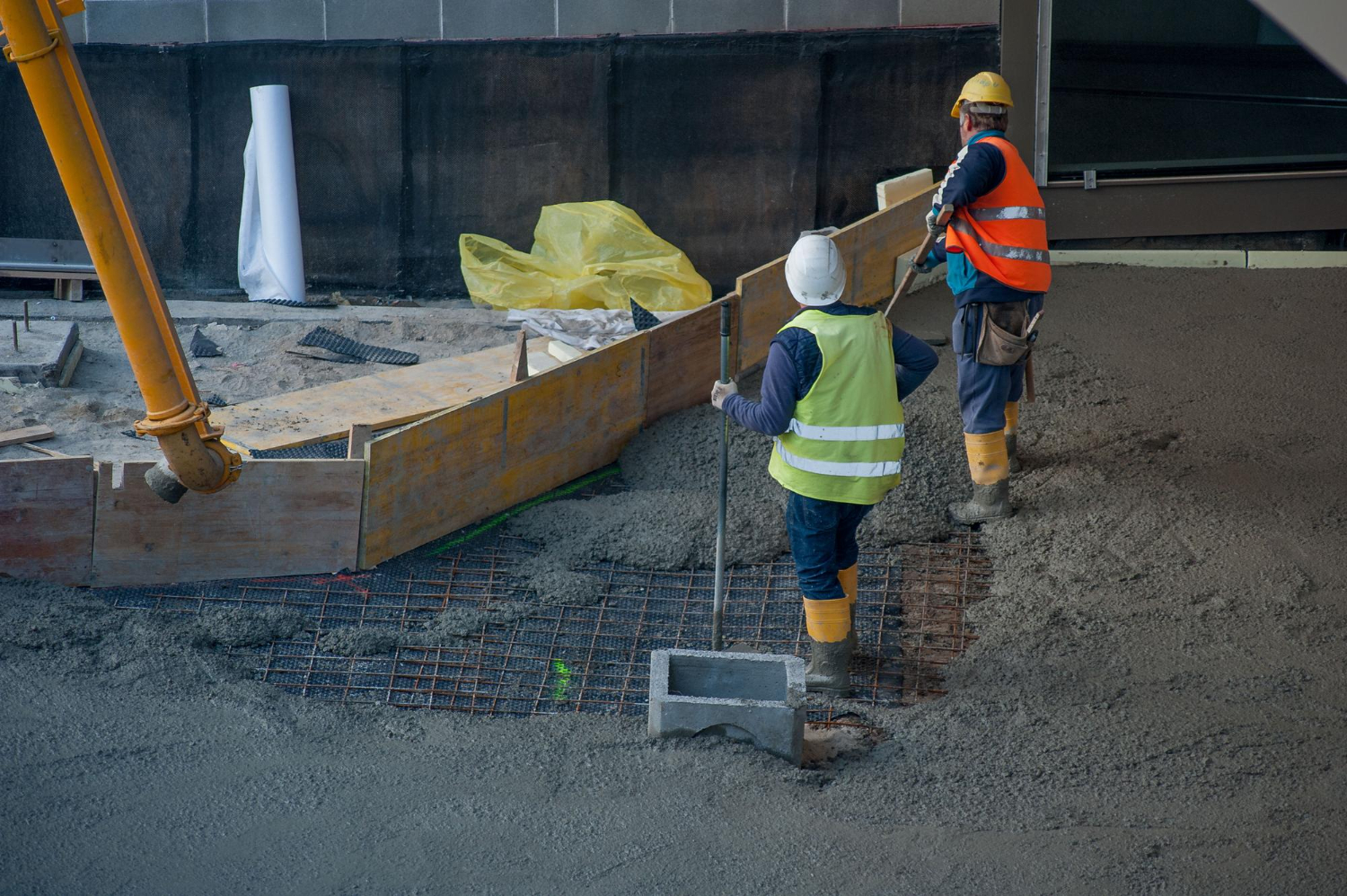
Spring is when commercial building picks up speed in Omaha. The ground softens, frost lines lift, and construction projects that were paused over winter start lining up again. It’s a prime time to get concrete work underway. For commercial builds, that could mean forming large slabs, prepping walkways, or setting structural foundations. Getting the right help matters. Hiring the wrong crew could cause delays, uneven surfaces, or problems during inspections.
When looking for concrete contractors in Omaha, it’s not enough to find someone with basic experience. Concrete touches almost every part of a commercial project, so who you hire directly affects timelines, layout, drainage, and long-term value. PC Construction delivers commercial, industrial, and institutional projects across Omaha, Lincoln, Grand Island, and surrounding areas, so we see every day how critical it is to choose a concrete partner who understands local demands. If you’re lining up jobs this spring, here’s what we think matters most before you sign that contract.
Making Sure They Have Commercial Experience
Not all concrete work is the same. Commercial projects carry different challenges than residential jobs, and they often require more coordination. From structural prep to utility layouts, having a contractor who understands commercial expectations makes a real difference.
Here’s what experienced commercial contractors bring with them:
- They’ve worked with large slab pours, parking areas, or foundations for franchise buildouts.
- They can read construction drawings, understand flow, and adjust pour stages to match staging plans.
- They’re used to working alongside other trades during tenant improvements or multi-use projects.
We’ve seen how poor coordination during concrete work can set a project back by days or even weeks. If the slab is off-level, it affects flooring. If the forms aren’t right, door thresholds won’t make code. That’s why experience in commercial applications should be a top filter point. Ask about past commercial work. If they’ve only done driveways or patios, it might not be the right fit for your job.
Understanding Permits, Weather, and Scheduling in Omaha
Every city has its own quirks when it comes to permitting. In Omaha, spring presents its own unique challenges. Weather can swing between warm and freezing in the same week, and wet ground can disrupt even the best-laid plans.
A skilled contractor understands how local permit processes work. They factor in lead times, inspections, and what materials pass code here. They also know what happens when moisture gets into the subgrade or if spring frost sits closer to the surface than expected.
Hiring someone familiar with Omaha’s rhythms means you get a better read on timing. That becomes especially important during builds where pouring concrete too early, even if the days feel warm, can lead to cracking when cold nights return. Contractors who have worked here before understand when it’s safe to pour, when to wait, and how to protect fresh work from surprise freezes or rain once it’s down.
Evaluating Methods, Mixes, and Material Planning
Concrete isn’t one-size-fits-all. The type used for a warehouse floor should be much different than what goes into a loading dock or patient walkway. Selecting the right mix can impact everything from load-bearing capacity to finish appearance.
For commercial jobs, we often see a need for:
- Higher strength mixes for structural bases or equipment pads
- Flatwork that meets ADA compliance on slope without compromising finish texture
- Weather-ready curing methods that handle Omaha’s changing conditions
We’re also seeing more emphasis on long-term payoff. Contractors might recommend materials that hold heat differently, include recycled content, or help reduce energy usage through thermal mass. That matters when sustainability goals or LEED targets are part of the project. These choices aren’t just for the designers, your concrete contractor should be aware of how mix choices impact the broader build plan.
Checking Project Management and Communication Skills
A great concrete contractor knows how to pour. A reliable one keeps people informed and keeps work moving.
Commercial projects have lots of moving pieces. Sometimes concrete work is step two after excavation, and sometimes it’s the last stage before finishes go in. If your contractor isn’t managing subs, coordinating with site leads, or keeping updates flowing, things start to fall behind.
What good communication looks like:
- Letting you know ahead of time when forms get set or pours go down
- Confirming weather delays as soon as they’re obvious, not after equipment shows up
- Working well with other crews during phased work in active or half-complete buildings
When tenant improvements or healthcare renovations are happening at the same time, contractors need to work clean and stay flexible. Scheduling, staging, and even site access logistics add complexity. Solid communication keeps people from stepping on each other’s work or flooding the site with overlapping activity.
Knowing the Red Flags Before You Sign the Contract
Sometimes it’s what people skip over that reveals the most. A concrete contractor who doesn’t mention safety plans or give full bids should raise questions. These types of oversights often lead to hidden costs, rushed work, or future repairs.
Watch out for signs like:
- No clear budget breakdown or vague descriptions of tasks
- Lack of prep detail, including leveling, drainage planning, or expansion joints
- No mention of post-pour inspection, surface testing, or warranty terms
We’ve seen uneven grading lead to storm runoff pooling in delivery zones. That kind of mistake can be traced back to poor site prep. Asking about how they handle surface prep, finish cures, or post-checks on drainage helps you catch problems before they settle under the concrete.
A good contractor should feel confident talking through these steps. If they hesitate or brush off the details, that’s a signal to look again at who you’re hiring.
Choose the Right Concrete Partner for Long-Term Results
Getting concrete work right sets the tone for the whole build. Whether it’s a slab in a new restaurant, a medical office walkway, or a full structural base, hiring the right contractor avoids schedule issues and long-term repairs.
Local experience, smart planning, and tight coordination will always be better than a low bid with gaps. The best partnerships start with clear expectations, honest communication, and an ability to work around Omaha’s spring unpredictability. At PC Construction, our approach is client-centric, budget focused, and schedule driven, which shapes the way we coordinate concrete work within larger commercial, industrial, and institutional projects.
Use these signs and tips before your next pour to keep your project on track and built for what comes next.
At PC Construction, we understand that every build requires detailed planning, especially when factors like timelines, weather, and code requirements are involved. Finding the right team to handle site prep, pours, and finish work helps projects stay on track and avoids costly setbacks. Organizing a new project or renovation this season is easier when you work with experienced concrete contractors in Omaha who know how to manage quality and coordination. We’re ready to help you get moving, reach out to start a conversation about your spring build.