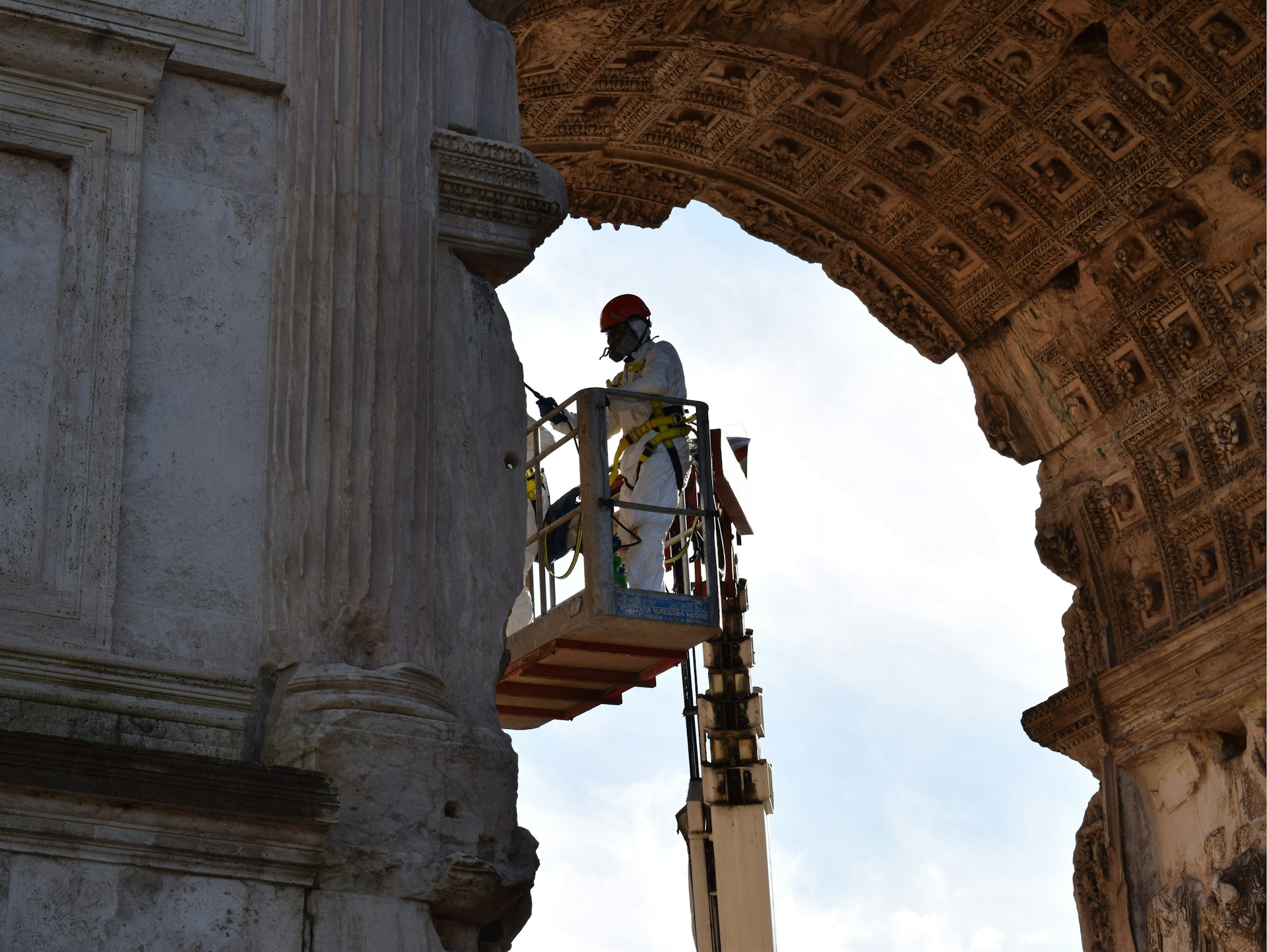
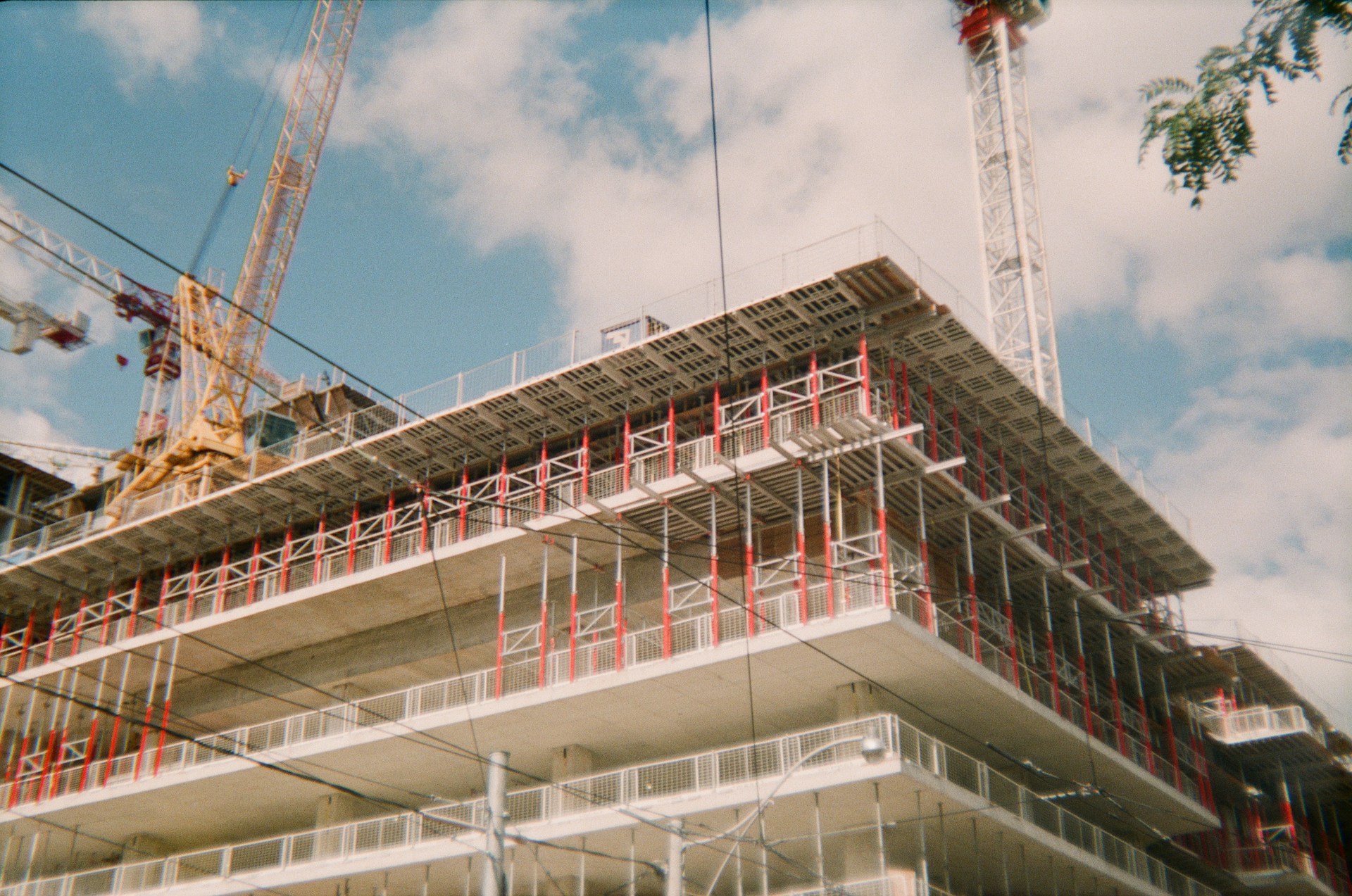
Restoring an old building can be rewarding, but it rarely comes without complications. From hidden structural damage to outdated systems, older properties often require a closer look before restoration work begins. When we take on historical building restoration in Omaha, the path is rarely simple. Weather, original materials, and code requirements all add layers to the process.
To help you stay on track, we’ve laid out seven common setbacks we’ve seen repeat themselves in historical renovation projects. With the right planning, most of these can be avoided before they cause delays or drive up costs. We provide general contracting, construction management, and design-build services for projects of all sizes in and around Omaha, which gives us a front-row view of how these issues show up in real restoration work.
Ignoring Existing Structural Damage
Many historic buildings look sturdy from the outside, but once work begins, issues below the surface often come up. Cracks in the foundation, aging roof structures, or sinking floor systems can all create major delays if discovered mid-project.
In Omaha, winter weather plays a part too. Freeze and thaw cycles place added stress on buildings, especially if old masonry or structural wood has already weakened. Water sitting in cracks freezes in winter, expands, and worsens the damage.
We always recommend having a qualified structural evaluation completed as part of preconstruction. It’s easier and less costly to manage repairs before crews are onsite doing cosmetic upgrades. Our historic renovation assessments focus on the foundation, walls, roof, and key architectural features so that structural concerns are identified and addressed early.
Overlooking Code and Preservation Requirements
Restoring a historically designated building isn’t just about choosing the right paint colors or wood trim. Local and federal regulations often determine what can and can’t be changed. In some areas of Omaha, certain buildings fall under city preservation ordinances, which impact everything from the type of windows used to how rooflines are altered.
Without a clear understanding of these requirements, you’ll risk project shutdowns or having to redo work to meet preservation rules.
Before beginning design, it’s smart to research the building’s protected status. This makes it easier to develop a plan that meets both your goals and ordinance requirements. It also saves time when it comes to permits and plan reviews.
Using Incompatible Modern Materials
It’s tempting to use newer, more available materials as replacements for old features. But not all modern materials play nicely with historical ones. Common problems include sealants that trap moisture, insulation that prevents proper airflow, or paint that causes historical wood to rot.
In winter restorations, certain materials like quick-set concrete or spray foams don’t always perform well in low temperatures or on old surfaces.
Here are a few things to consider when choosing materials:
• Match the material type and installation method if possible
• Be cautious about new adhesives or coatings over old stone or wood
• Use breathable finishes that allow moisture escape to prevent long-term damage
Choosing the right combination means the history stays intact and the building performs the way it should both inside and out.
Failing to Plan Around Winter Weather
Winter can slow down construction in any city, but in Omaha, unpredictable temperature swings and snowstorms can completely halt restoration work. Old buildings already lack insulation or modern systems, and if openings are created for repairs, you’re exposing delicate areas to the cold.
Outdoor projects like masonry repair, roofing, or site access improvements may need warmer conditions to be successful. Curing times for concrete, adhesives, and specialty coatings are all affected by low humidity and freezing temperatures.
If you’re scheduling historical restoration between December and early March, it pays to build in extra time for delays. Consider how utilities will be kept running, what tasks can be shifted indoors, and whether temporary heating or enclosures may be needed.
Skipping Utility Updates and System Upgrades
Older buildings often come with out-of-date plumbing, wiring, and HVAC setups. Many times, these are intertwined with the structure in ways that aren’t obvious until demolition begins. Leaving these systems untouched might seem like a shortcut, but old systems often can’t meet the needs of modern use or fail local safety codes.
This is more than just a comfort issue. Outdated utilities can impact occupancy approval, increase insurance premiums, or lead to costly rework later on. Even if systems look fine during early walks, assume they’ll need upgrades unless recently brought up to code.
Investing in systems that support energy efficiency or improved controls will save frustration down the road.
Poor Documentation of Original Design
When demo begins in an old building, some owners are surprised by what was hiding behind walls or under flooring. That hidden woodwork or brick often adds character, but it can’t be put back together if no one documented it first.
Ripping out original materials too quickly or without review can erase features needed for historical accuracy. It also makes it harder to match materials if you plan to replicate design elements later.
Here’s what we recommend before teardown begins:
• Photograph all surfaces, finishes, and fixtures
• Note measurements and materials for each space
• Save samples of hardware, siding, or trim to guide replication
These steps don’t take much time, but they help preserve detail and avoid regrets once restoration is underway.
Restoring with More Confidence and Fewer Surprises
Historical building restoration in Omaha isn’t something to rush through. Each one of these issues has the potential to cause long delays, cost spikes, or permanent damage to the building’s character.
By approaching structural, system, and seasonal challenges early, you give your project a better chance of staying on schedule and true to the building’s design. Advanced planning doesn’t just help you meet deadlines. It lets the building’s original story keep shining through.
Careful planning, structural insight, and the right materials are important to keeping your restoration project on track, especially during the colder months. With our experience in historical building restoration in Omaha, we’re committed to helping you breathe new life into older spaces while preserving their unique character. We follow a client-centric approach that is budget focused and schedule driven, with open communication guiding decisions from preconstruction through final walkthrough. Contact PC Construction to discuss your vision and schedule a walkthrough with our team.